




Written by: Aaron Rovner, Founder, Saas Hero | Last updated: September 3, 2026
Key Takeaways
- Google Ads management software automates bidding, reporting, and campaign changes, but it still needs high-quality CRM data to drive revenue.
- Tools range from free options like Google Ads Editor for bulk edits to enterprise platforms like Skai and Marin for cross-channel scale.
- Agencies and freelancers benefit from Optmyzr and Adalysis for multi-account automation and detailed search-term analysis.
- Software cannot replace strategy, creative development, or full-funnel ownership. A human still decides what the account should optimize toward.
- B2B SaaS companies that need end-to-end execution can work with SaaSHero as a full outsourced growth team that combines technology with execution.
Core Features That Matter in Google Ads Management Software
Effective Google Ads management software for B2B SaaS supports automation, reporting, and data connections that tie spend to revenue. The most useful platforms include these capabilities.
- Automated bidding and budget management: Adjusts bids and pacing automatically to hit performance targets. For B2B, this works only when the conversion events feeding the algorithm reflect real buying intent. Google offers five Smart Bidding strategies: Target CPA, Target ROAS, Maximize Conversions, Maximize Conversion Value, and Enhanced CPC, each aligned to specific conversion goals.
- Cross-channel integration: Combines data from Google Ads, Microsoft Ads, LinkedIn, and Meta into one dashboard. B2B buyers research across channels, and last-click attribution understates upper-funnel impact.
- Audit alerts and anomaly detection: Flags broken landing pages, budget pacing issues, or wasted search terms quickly. In B2B, a mis-specified conversion event can train the account toward the wrong audience for an entire quarter.
- Reporting and attribution: Connects ad spend to leads, pipeline, and revenue. For B2B SaaS with long sales cycles, platform-reported conversions differ from CRM-verified outcomes.
- AI-powered optimization: Uses machine learning to find patterns and adjust campaigns. Performance Max provides broader automation and potential scale in exchange for less granular control over placements and queries. AI follows the data it receives, so optimizing for form fills produces more form fills instead of more qualified pipeline.
CRM integration is essential for B2B SaaS. Tracking offline conversions such as SQLs, opportunities, and closed revenue separates tools that only manage ads from systems that influence revenue. Google notes that conversion actions imported from Google Analytics are secondary by default and must be set to primary to influence bidding. Most software tools still leave that primary versus secondary configuration in the hands of the user.
Top Google Ads Management Software by Use Case
The market splits into three main buyer scenarios. Each group benefits from different tools and feature sets.
Single Businesses and Small Teams: WordStream, Opteo, Google Ads Editor
WordStream serves small to mid-sized businesses and the agencies that manage them. It offers a simplified dashboard, guided setup, and recommendations that highlight ways to improve performance. Features such as the 20-Minute Work Week surface suggestions to pause underperforming campaigns, and users review and approve those changes. Pricing is available on request, and the Advisor product includes a free trial that typically lasts 7 to 14 days. Free tools like the Google Ads Performance Grader remain available without a trial.
Opteo provides simple, actionable insights that let marketers implement account improvements with a single click. It works well for teams that want clear recommendations without deep PPC expertise. Opteo offers a free trial and tiered pricing based on monthly ad spend.
Google Ads Editor is Google’s free desktop tool for making offline changes and pushing large bulk updates. It functions as a productivity tool that every advertiser should use alongside other software.
These tools work well for managing a single account with a modest budget. Their limits appear when you need advanced features, multi-account management, or deep CRM integration.
Agencies and Freelancers: Optmyzr, Adalysis
Optmyzr targets experienced agencies and PPC professionals. It offers deep rule-based automation, advanced optimization tools, and one-click optimizations across multiple client accounts. The Rule Engine automates repetitive tasks, and the Audit Hub delivers comprehensive account reviews. Pricing is available on request, and a free trial is available.
Adalysis emphasizes data hygiene, detailed search term n-gram analysis, and structured A/B testing. It excels at identifying wasted spend and improving quality scores. Adalysis offers tiered pricing based on monthly ad spend in USD, with unlimited managed accounts on all plans.
Both tools excel at multi-account management, client reporting, and audit capabilities. They handle the complexity of managing multiple clients efficiently, and they still rely on a skilled operator to interpret data and make strategic decisions.
Enterprises and Advanced Advertisers: Skai, Marin
Skai (formerly Kenshoo) provides enterprise-grade cross-channel management across search, social, and retail media. It offers advanced analytics, audience targeting, and the scale that large advertisers require. Pricing is available on request.
Marin Software delivers enterprise search and social advertising management with sophisticated bid optimization, cross-channel attribution, and reporting. It serves brands and agencies that manage significant budgets across multiple platforms. Pricing is available on request.
These platforms deliver powerful capabilities and require a dedicated team to operate effectively. They address scale and complexity, and the strategy still comes from your team.
Google Ads Management Software Comparison
The table below summarizes each tool’s best-fit use case, key features, and pricing model so you can quickly narrow your shortlist.
| Tool | Best For | Key Features | Pricing Model |
|---|---|---|---|
| WordStream | Small to mid-sized businesses | Guided setup, simplified dashboard, recommendations | Available on request; free trial for Advisor |
| Opteo | Small teams | One-click improvements, actionable insights | Tiered by ad spend; free trial |
| Google Ads Editor | Everyone | Free bulk edits, offline management | Free |
| Optmyzr | Agencies | Multi-account rules, audit hub, automation | Available on request; free trial |
| Adalysis | Agencies | N-gram analysis, A/B testing, waste reduction | Tiered by monthly ad spend |
| Skai | Enterprises | Cross-channel management, advanced analytics | Available on request |
| Marin | Enterprises | Bid optimization, cross-channel attribution | Available on request |
Free and Low-Cost Google Ads Management Options
Google Ads Editor is the essential free tool for bulk edits and offline management. No other platform replicates its native access for large-scale changes. Some management platforms offer free tiers or trials, and these usually limit campaign volume or exclude advanced features such as CRM integration.
Budget levels shape your options. In B2B SaaS, where customer acquisition costs often reach thousands of dollars, $500 in monthly ad spend generates limited data and weak signal for bidding algorithms. Software costs sit on top of ad spend, and most tools charge a monthly fee or a percentage of spend. SaaSHero’s qualification floor is $15,000 in monthly ad spend already in market, because accounts below that level do not produce enough data for CRM-level optimization.
The Role of AI in Google Ads Management
AI now drives many core functions inside Google Ads. Smart Bidding uses auction-time signals such as device, location, and time of day to optimize for conversions in real time. Performance Max generates creative assets and serves across YouTube, Display, Search, Discover, Gmail, and Maps from a single campaign, using Smart Bidding and real-time auctions.
The tradeoff centers on control and transparency. Performance Max provides broader automation and potentially stronger scale, with less transparent and less granular control. Advertisers supply assets, audience signals, and goals instead of managing every placement manually. Traditional rule-based tools like Optmyzr provide more transparency and require more hands-on oversight.
For B2B SaaS, AI performance depends on the quality of the data it receives. An account optimized toward form fills will systematically find the cheapest people to convert, such as students, competitors, and job seekers, while reporting a falling cost per conversion. The same account optimized toward CRM data such as qualified pipeline, lifecycle stage, and closed revenue produces very different results. Google Ads behaves like a self-fulfilling system: feed the machine high-quality data, and you receive higher-quality performance. Importing the right conversion events into Google Ads gives Smart Bidding access to data that helps adjust bids, as long as those events represent genuine buyer intent.
Why Software Alone Falls Short for B2B SaaS
Most software tools stop at execution and cannot own strategy, creative development, landing page testing, or full-funnel accountability.
A tool like Optmyzr can automate bid rules across fifty accounts, and Adalysis can identify wasted spend with surgical precision. Yet even together, they cannot diagnose that a landing page headline suppresses conversions, build and test a new page, or connect CRM lifecycle stages to bidding so the algorithm learns from qualified outcomes.

The standard agency model often mirrors this gap. Many agencies scope their work to the ad account, while the client owns the landing page, RevOps owns the CRM, and a past implementer owns the tag manager configuration. Everyone executes their piece, and no one owns the full result.
SaaSHero fills that gap. SaaSHero operates as an outsourced inbound growth team for B2B companies, with one team owning strategy and execution across paid media, creative, landing pages, and reporting. As a Google Premier Partner in the top 3 percent of agencies, SaaSHero has managed over $60 million in lifetime ad spend for more than 100 B2B companies. The team optimizes against CRM revenue data, treats headline copy as the highest-leverage variable on a landing page, and keeps that lever inside the engagement instead of handing it back to the client.
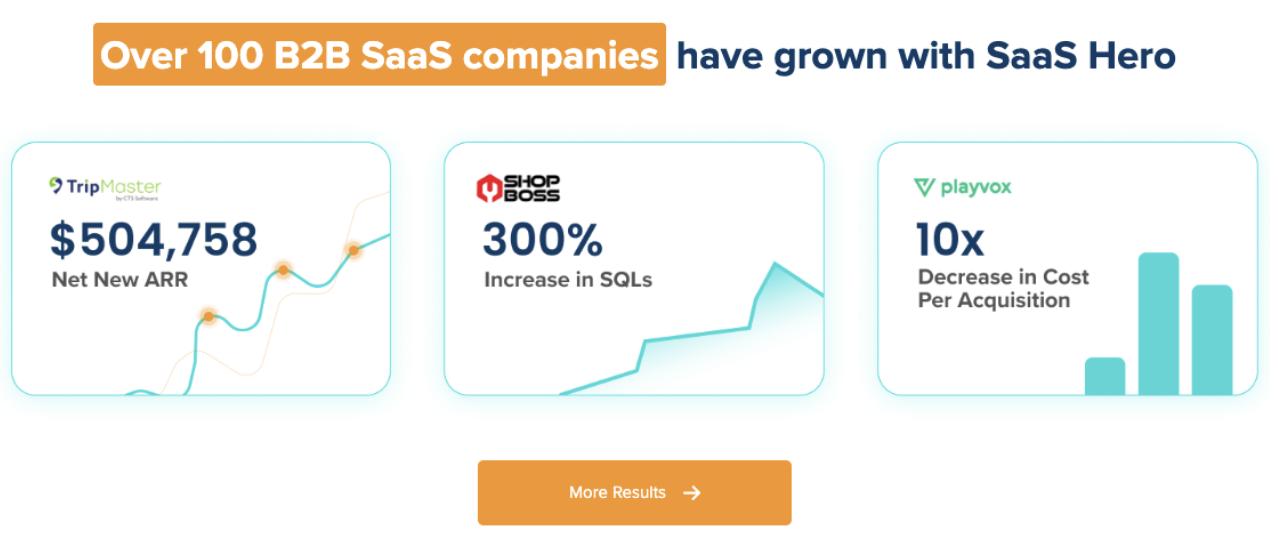
Talk to SaaSHero about owning your full funnel and see how technology, strategy, and execution work together in one accountable team.
How to Choose the Right Google Ads Solution
This simple framework helps you decide whether you need software, a partner, or both.
- Assess your budget. Software typically costs $100–$1,000 or more per month. A full-service partner like SaaSHero aligns retainers with the pricing mentioned in the FAQ. The real cost often comes from continued underperformance.
- Evaluate in-house expertise. Consider whether you have a dedicated paid media specialist. If you do not, identify who will interpret the data and make strategic decisions. SaaSHero engagements work best when the client has 2–4 full-time marketing team members and none specialize in paid ads.
- Count your accounts. A single account can often run on tools like WordStream or Opteo. Multiple client accounts point toward Optmyzr or Adalysis. A complex B2B funnel with a sales team and CRM usually requires more than software alone.
- Define full-funnel ownership. Decide whether you need landing pages built and tested, creative developed from campaign data, and optimization aligned with pipeline and revenue instead of only leads.
As discussed in the AI section, optimizing around form submissions instead of CRM data creates a structural problem that no software tool can fix. Companies in that situation need a partner who owns the entire chain from impression to CRM record.

FAQ
What is Google Ads management software?
Google Ads management software helps advertisers plan, launch, and improve paid search campaigns. These tools offer features such as bid management, keyword research, performance reporting, and automation that support efficiency and ROI. They range from free tools like Google Ads Editor to enterprise platforms like Skai and Marin and typically align with the complexity of the accounts they serve, from single businesses to agencies and large enterprises.
How much does Google Ads management software cost?
Pricing varies widely. WordStream and Opteo offer free trials with tiered pricing based on ad spend. Optmyzr and Adalysis charge monthly fees based on account count or spend. Enterprise platforms like Skai and Marin require custom quotes. Full-service partners like SaaSHero combine software with strategy and execution, starting at $4,000 per month, with retainers indexed to total monthly ad spend under management rather than the number of channels.
Is Google Ads management software worth it for small businesses?
For single businesses with modest budgets, tools like WordStream or Opteo provide guidance and reduce the learning curve. Google Ads Editor remains free and essential for bulk edits. Software still cannot replace strategic thinking, conversion tracking setup, or result interpretation. For B2B SaaS companies with long sales cycles, a mis-specified conversion event can quietly train the account toward the wrong audience for an entire quarter.
Can I manage Google Ads myself?
Many advertisers manage Google Ads on their own, and the decision depends on time, expertise, and risk tolerance. Managing Google Ads in 2026 requires ongoing attention to search terms, bid strategies, landing page performance, and conversion tracking. The platforms now automate much of the visible lever-pulling and leave data quality as the core job. For B2B SaaS with complex sales cycles, the skill has shifted from operating the interface to choosing what the interface optimizes toward. A mis-specified conversion event can train the account toward the wrong audience for a quarter, and the CRM reveals the impact only after the budget is gone.
What is the difference between Google Ads Editor and third-party tools?
Google Ads Editor is a free desktop application for making bulk changes offline. It does not provide optimization recommendations, automation, or reporting and functions as a productivity tool. Third-party tools like Optmyzr and Adalysis add intelligence through automated rules, performance insights, multi-account management, and audit capabilities. These tools still require a skilled operator and do not replace strategic decisions about landing pages or CRM-connected revenue optimization.
How does SaaSHero differ from using software alone?
Software automates tasks, and SaaSHero owns outcomes. The firm combines proprietary technology with a full team of specialists, including in-house designers and copywriters, to manage the entire inbound acquisition engine. The team runs paid media across Google, Microsoft, LinkedIn, Meta, Reddit, and TikTok, creates and tests creative, designs and hosts landing pages, and builds attribution reporting inside the client’s CRM. SaaSHero optimizes against CRM revenue data, separates primary from secondary conversions so bidding algorithms learn from qualified outcomes, and pushes lifecycle stage events back into the ad platforms. The retainer aligns with total monthly ad spend rather than channel count, so channel-mix recommendations stay independent of fee incentives.
See how a full outsourced growth team can build your pipeline and then book a discovery call with SaaSHero.