




Written by: Aaron Rovner, Founder, Saas Hero
Key Takeaways
- Competitor conquesting captures high-intent B2B SaaS buyers who search for competitor pricing, alternatives, and reviews, cutting CAC by up to 63% versus broad awareness campaigns.
- The three-intent framework groups traffic into pricing, problem or complaint, and review or validation buckets, each supported by focused landing pages with tailored messaging and switching incentives.
- High-converting comparison pages that use TCO calculators, case studies, and AI personalization reach 8.7% conversion rates and connect ad clicks to closed-won revenue with GCLID tracking.
- Disciplined execution with negative keywords, legal compliance, and revenue attribution produces ROIs like 1909% and Net New ARR of $504K, as shown in SaaS case studies.
- Busy SaaS leaders can start conquesting quickly with SaaSHero’s flat-fee, month-to-month model, so schedule a discovery call for a custom audit and playbook.
Three-Intent Framework For Revenue-First Conquesting
Effective B2B SaaS conquesting relies on three psychological intent buckets that match different stages of competitor evaluation. This framework keeps focus on Net New ARR, Customer Acquisition Cost, and Sales Qualified Leads instead of impressions and click-through rates.
The revenue-first approach depends on tracking that carries Google Click IDs from ads through landing pages into CRM systems like HubSpot or Salesforce. This attribution model supports decisions based on closed-won revenue rather than surface-level conversions. Properly executed conquesting campaigns reach 8.7% conversion rates and cut CAC by 63% within 45 days.
The three-intent framework separates competitor searches into pricing queries, problem or complaint searches, and review or validation queries. Each intent type receives its own landing page with specific messaging, comparison tables, and switching incentives that match the user’s mindset. This detailed structure avoids sending all competitor traffic to a generic homepage that rarely converts high-intent prospects.
Competitor Conquesting Playbook: From Intent To Campaigns
Pricing Intent Campaigns For Cost-Focused Buyers
Users who search “[competitor] pricing” or “how much does [competitor] cost” show price sensitivity and budget evaluation behavior. Many of these prospects face renewals or budget approvals, so they respond strongly to Total Cost of Ownership comparisons and clear pricing.
Campaigns need dedicated comparison pages with pricing tables, TCO calculators, and migration incentives. Messaging should address pricing concerns immediately and highlight value differences that justify any premium.
Problem And Complaint Intent Campaigns For Frustrated Users
Searches like “[competitor] alternatives,” “cancel [competitor],” or “[competitor] support issues” reveal active frustration with current tools. These users convert at the highest rates because they already want a replacement and feel strong motivation to switch.
Landing pages should call out known competitor weaknesses directly and present your product as the clear alternative. Case studies from customers who switched from that competitor deliver strong social proof and validate the decision to move.
Review And Validation Campaigns For Evaluating Teams
Users who search “[competitor] reviews” or “[competitor] vs [your company]” sit in the consideration phase and seek validation and risk reduction. These prospects need detailed feature comparisons, G2 ratings, and testimonials to feel confident.
|
Intent Type |
Sample Keywords |
Page Blueprint |
Switching Incentives |
|
Pricing |
[Competitor] pricing, cost |
TCO comparison table |
Free migration, contract buyout |
|
Complaint |
[Competitor] alternatives |
Problem-solution messaging |
Dedicated onboarding support |
|
Review |
[Competitor] reviews, vs |
Feature matrix with ratings |
Extended trial periods |
Strong negative keyword lists protect budgets from navigational searches. Core negatives include competitor brand names alone, job-related terms, and free or training modifiers that attract poor-fit traffic. Weekly search term reviews uncover new negatives and keep campaigns efficient.
The 7-step checklist keeps implementation structured and repeatable. First, audit competitor keyword opportunities. Second, segment keywords by intent bucket. Third, build dedicated comparison pages. Fourth, launch comprehensive negative keyword lists. Fifth, confirm legal compliance without competitor logos. Sixth, launch Google Ads and LinkedIn campaigns. Seventh, roll out AI-powered creative testing. Get your setup template and implementation roadmap to speed up deployment.
Conversion Tactics For High-Intent Conquest Traffic
Conquesting traffic needs specialized conversion tactics because visitors arrive with competitor context and a comparison mindset. Generic landing pages rarely convert these users because they lack message match and competitor-specific positioning.
SaaSHero uses a 7-principle heuristic to review landing pages for relevance, clarity, trust, friction, urgency, value proposition, and mobile experience. This qualitative audit spots conversion blockers before A/B tests and supports faster gains on comparison pages.

Relevance means the page acknowledges the competitor query and offers direct comparison content. Clarity requires sharp value propositions that explain how you differ from the named competitor. Trust signals include G2 badges, customer logos, and security certifications placed near calls to action.
AI personalization uses GCLID data to adjust comparison tables based on the specific competitor keyword that drove the visit. This dynamic content raises relevance and conversion rates by surfacing the most meaningful advantages for each evaluation path.
|
Metric |
Pre-CRO Baseline |
Post-CRO Optimization |
|
Conversion Rate |
3.75% |
8.7% |
|
Cost Per Acquisition |
$240 |
$89 |
|
Lead Quality Score |
6.2/10 |
8.4/10 |
Mobile performance plays a major role as 64% of businesses using AI chatbots report 20% higher conversion rates from better mobile experiences. Responsive comparison tables and short mobile forms lower friction for users who research on phones before converting on desktop.
Revenue Attribution And Proof That Conquesting Works
Revenue attribution ties conquesting campaigns to closed-won deals through tracking that passes data from ad clicks through landing pages into CRM records. This full-funnel view supports optimization based on revenue instead of shallow lead counts.
HubSpot and Salesforce integrations capture GCLID parameters, UTM tags, and landing page data to show complete journeys. This tracking highlights which competitor keywords bring the highest-value customers and strongest lifetime values, which guides budget and keyword expansion.
Case studies confirm conquesting performance across B2B SaaS categories. One structured competitive campaign produced $1.31M revenue in 12 months with 1909% ROI, lifting monthly revenue from $25K to $135K by exploiting competitor gaps.
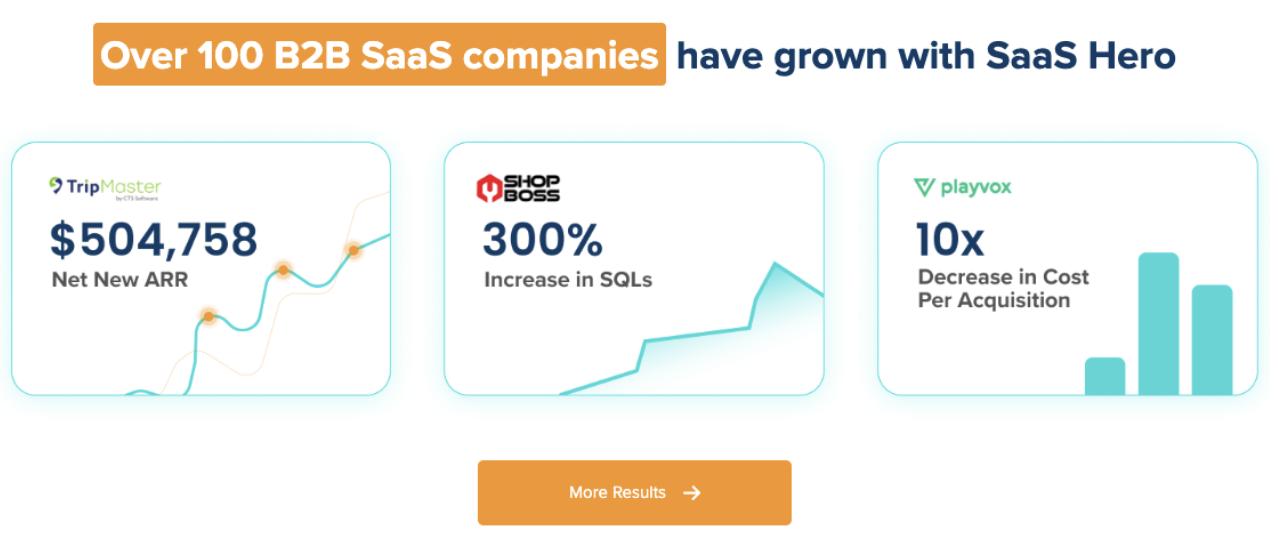
TripMaster generated $504,758 in Net New ARR with 650% ROI and 20% conversion rates from paid search conquesting. TestGorilla reached 80-day payback periods that supported a $70M Series A. Playvox cut Cost Per Lead by 10x and increased lead volume by 163% after restructuring competitor campaigns.

|
Spend Band |
Single Channel |
Multi-Channel |
|
Up to $10k |
$1,250/month |
$2,500/month |
|
$10k-$25k |
$1,750/month |
$3,000/month |
|
$25k-$50k |
$2,250/month |
$3,500/month |
Flat-fee retainers align agency incentives with client growth by removing percentage-of-spend conflicts that reward higher budgets. Month-to-month agreements remove long-term risk and keep performance under constant review. Start your month-to-month conquesting program with clear pricing and fast launch.
Real-World Buyer Scenarios And Avoidable Mistakes
Overwhelmed founders who manage Google Ads on weekends represent a prime conquesting audience. They understand paid media value but lack time and worry about agency contracts that take large revenue cuts. Month-to-month, flat-fee support below the cost of a junior hire offers relief while preserving control.
Frustrated VPs of Marketing who work with vanity-metric agencies need partners who speak in CAC, LTV, and pipeline terms. Deep CRM integration and revenue-focused reporting answer board pressure for accountability and clear ROI.
Post-funding startups with aggressive targets need campaigns live quickly without long hiring cycles. Competitor conquesting delivers immediate high-intent leads while internal teams ramp, which supports investor expectations for efficient growth.
Common mistakes include generic landing pages that ignore competitor concerns, weak negative keyword lists that burn budget on navigational searches, and tracking gaps that block revenue optimization. Percentage-of-spend agency models often reduce efficiency because they benefit from higher media budgets.
Frequently Asked Questions
Required Budgets For B2B SaaS Conquesting
Minimum effective budgets usually start at $5,000 in monthly ad spend across Google Ads and LinkedIn to reach statistical significance. This level supports targeting three to five core competitors with dedicated landing pages and enough traffic for conversion testing. Budgets between $15,000 and $50,000 per month unlock broader competitor coverage, richer targeting, and faster testing cycles.
Timeline For Leads And Revenue Impact
Most teams see initial leads within 7 to 14 days of launch, with clear conversion improvements within 30 to 45 days. Revenue attribution typically appears within 60 to 90 days as opportunities move through the pipeline. Full performance maturity often arrives within 90 to 120 days after multiple rounds of landing page and keyword refinement.
Legal Guardrails For Competitor Conquesting
Competitor conquesting remains legal under trademark rules when handled correctly. Advertisers can bid on competitor keywords and reference competitor names in factual comparisons without infringement. Compliance requires avoiding competitor logos, clearly naming your company as the advertiser, and preventing headlines that confuse brand identity. Comparative claims must stay factual and supported to avoid false advertising.
Impact On CAC And Lifetime Value
Conquesting usually cuts blended CAC by 25% to 40% compared with broad keyword campaigns because competitor searchers convert at higher rates. Customer lifetime values from conquesting often exceed other channels by 15% to 30% since these buyers already reviewed alternatives and purchase with more intent. Lower CAC combined with higher LTV strengthens unit economics and supports durable scaling.
Attribution Models For Measuring Conquesting Revenue
Multi-touch attribution models measure conquesting impact most accurately because competitor research spans several touchpoints. First-click attribution captures initial competitor discovery, while last-click attribution credits the final conversion step. Time-decay models give more weight to recent interactions while still counting earlier research. CRM integration with GCLID tracking closes the loop and connects specific competitor keywords to won deals and revenue.
Conclusion And Next Steps For SaaS Conquesting
B2B SaaS competitor conversion programs and demand gen conquesting provide a direct path to Net New ARR growth in 2026’s tight capital markets. The three-intent framework, focused comparison pages, and revenue-based attribution create clear advantages over broad awareness campaigns with rising costs.
Success depends on expertise in competitor psychology, legal rules, and B2B conversion tactics that many generalist agencies lack. The structured process in this playbook, from intent segmentation through revenue attribution, supports fast rollout of high-converting conquesting campaigns that reach buyers during critical evaluation windows.
SaaSHero’s revenue-first approach and flat-fee model remove misaligned incentives that slow results. Month-to-month agreements maintain accountability, and transparent pricing reduces procurement friction. Schedule your conquesting audit today to uncover competitor opportunities and accelerate Net New ARR with focused demand generation.