




Written by: Aaron Rovner, Founder, Saas Hero
Key Takeaways
- B2B SaaS conquesting targets high-intent competitor keywords like pricing and alternatives, often reaching 400-800% ROI with accurate tracking.
- Use the 7-step ROI formula: isolate costs, implement UTM tracking, calculate Net New ARR, then apply (Net ARR – Costs) / Costs × 100.
- Track conquest-specific CAC, win rates above 25%, payback periods under 90 days, and LTV:CAC ratios above 4:1 based on 2026 benchmarks.
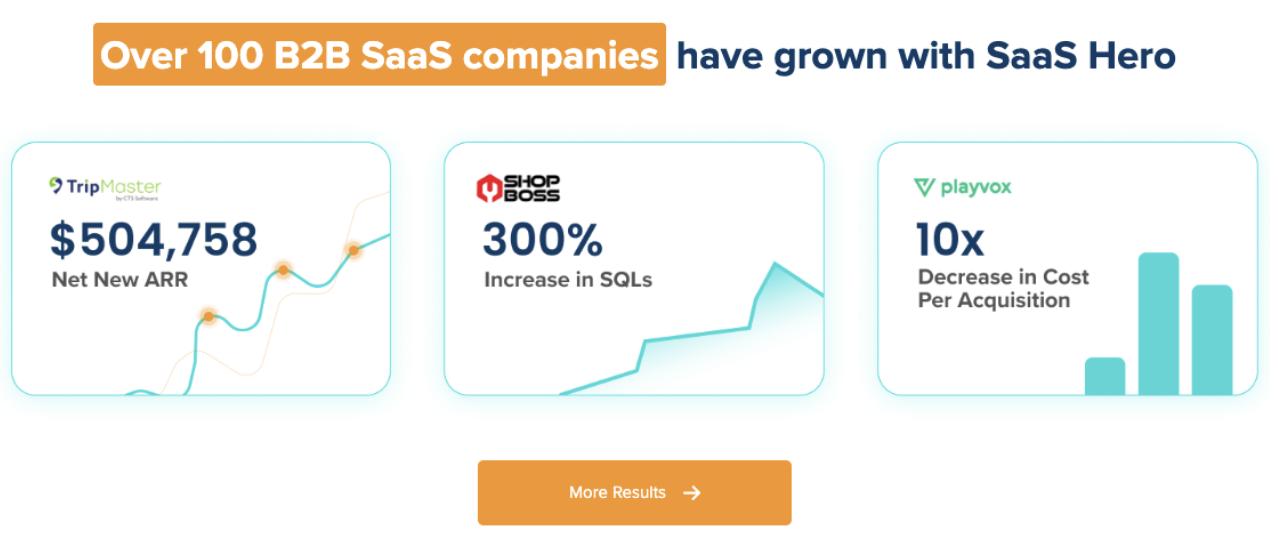
- A $77,500 conquesting campaign produced $504k in Net New ARR at 650% ROI by using dedicated tracking and comparison landing pages.
- Improve results with A/B tests and incrementality tests, and book a discovery call with SaaSHero to review and scale your conquesting ROI.
Defining Competitor Conquesting ROI for B2B SaaS
Competitor conquesting ROI measures the financial return from advertising campaigns that target users searching for competitor-related terms. This approach focuses on high-intent traffic from prospects who actively compare solutions and evaluate alternatives. Conquesting requires separate measurement from brand defense campaigns so you can see the true incremental revenue impact.
|
Intent Type |
Keywords Example |
Page Strategy |
Conversion Rate |
|
Pricing |
[competitor] pricing, cost |
TCO comparison table |
4-6% |
|
Complaints |
[competitor] alternatives |
Switch case studies |
6-8% |
|
Reviews |
[competitor] reviews, vs |
Feature comparison matrix |
3-5% |
Effective conquesting isolates competitor traffic by using negative keywords for standalone competitor brand names, which prevents capturing navigational searches. B2B conquesting campaigns typically achieve 400-800% ROI when teams use advanced tracking and clear attribution models.

Conquesting ROI Formula and Free Calculator Walkthrough
Accurate conquesting ROI measurement follows a structured 7-step process that separates competitor-specific costs and revenue attribution.
Step 1: Isolate Campaign Costs
Calculate total conquesting investment, including ad spend, creative development, landing page costs, and management fees. Keep these costs separate from brand defense and generic demand generation campaigns.
Step 2: Implement UTM Tracking
Use standardized UTM parameters such as utm_source=google, utm_campaign=conquest_[competitor], and utm_content=[intent_type] to track conquesting traffic through your CRM.
Step 3: Calculate Net New ARR
Track closed-won revenue from conquesting campaigns using this formula: Net New ARR = (Closed-won Revenue × ARR Multiplier) – Baseline Growth. Subtract organic growth so you isolate incremental impact.
Step 4: Determine Conquest-Specific CAC
CAC = Total Conquesting Costs ÷ Number of Customers Acquired from Conquesting Campaigns.
Step 5: Calculate Win Rate
Win Rate = Conquesting Deals Closed ÷ Total Conquesting Opportunities × 100.
Step 6: Measure Payback Period
Payback Period = Conquest CAC ÷ Average Monthly Contract Value.
Step 7: Apply ROI Formula
Final ROI = (Net New ARR – Total Costs) ÷ Total Costs × 100.
|
Variable |
Formula |
Example |
|
Net New ARR |
Closed-won × ARR Mult. – Baseline |
$504,000 |
|
Total Costs |
Ad Spend + Creative + Management |
$77,500 |
|
ROI |
(Net ARR – Costs) ÷ Costs × 100 |
650% |
Book a discovery call to access the ROI calculator used in campaigns that generated $504k+ in Net New ARR.
CRM Tracking Setup for Reliable Conquesting Attribution
Accurate conquesting ROI depends on CRM integration that connects ad clicks to closed revenue. Standardized UTM parameters with consistent naming conventions prevent data fragmentation and support precise attribution.
Use this structure when you configure UTM parameters:
|
UTM Parameter |
Example Value |
Purpose |
|
utm_source |
|
Traffic source identification |
|
utm_campaign |
conquest_salesforce |
Competitor-specific tracking |
|
utm_content |
pricing_intent |
Intent type segmentation |
Integrate Google Click ID (GCLID) with HubSpot or Salesforce so you can track the full customer journey from initial ad click through closed-won deals. Use Looker Studio dashboards to visualize conquesting performance across the funnel, connecting ad impressions to CRM revenue data.
Address attribution gaps by using W-shaped attribution models that assign value to awareness, consideration, and conversion touchpoints. This structure fits B2B SaaS sales cycles with clear MQL and SQL stages.
2026 B2B Conquesting Benchmarks and Real-World Case Study
Current B2B SaaS conquesting benchmarks reflect a capital-efficient environment where revenue efficiency matters more than raw volume. Top-performing companies maintain LTV:CAC ratios above 4:1 while keeping payback periods under 90 days.
|
Metric |
2026 Benchmark |
Top Quartile |
SaaSHero Case |
|
LTV:CAC Ratio |
4:1 |
6:1+ |
6.5:1 |
|
Payback Period |
<90 days |
<60 days |
80 days |
|
Win Rate |
25%+ |
35%+ |
– |
|
ROI Target |
400%+ |
600%+ |
650% |
A transportation software company used systematic conquesting measurement and produced $504,758 in Net New ARR from a $77,500 investment over 12 months. The campaign reached 650% ROI by targeting competitor pricing and alternative searches with dedicated comparison landing pages. Success came from isolating conquesting costs, using proper UTM tracking, and focusing on Net New ARR instead of vanity metrics such as impressions or click-through rates.

Post-Measurement Optimization Tactics for Conquesting
Once you establish baseline ROI, refine conquesting campaigns with structured testing and ongoing adjustments. A/B test ad messaging that highlights clear competitive advantages, such as “Switch from [competitor] & Save 40%” or “Better Support Than [competitor].” Use competitive intelligence tools to uncover high-intent keywords and track competitor pricing shifts.
Maintain negative keyword hygiene so you exclude navigational searches for competitor brand names alone. Scale campaigns when you consistently hit more than 300% ROI, payback periods under 80 days, and win rates above 25% against targeted competitors.
Monitor incrementality with holdout tests that compare conquesting performance against baseline organic growth. This approach confirms that reported Net New ARR reflects true incremental revenue instead of cannibalized organic traffic.
Common Conquesting Measurement Pitfalls and Fixes
Last-click attribution bias often undervalues conquesting in multi-touch customer journeys. Many B2B buyers research competitors early in their process but convert through direct or brand searches weeks later.
Frequent measurement mistakes include mixing conquesting with brand defense campaigns, skipping baseline growth adjustments when calculating Net New ARR, and chasing vanity metrics like CTR instead of revenue. Fix these issues by using separate campaign structures, defining clear baseline measurements, and grounding all reporting in closed-won revenue data.
Book a discovery call to review your current conquesting measurement setup and uncover specific optimization opportunities.
FAQ
What is considered good ROI for B2B SaaS conquesting campaigns?
Target at least 400% ROI for B2B SaaS conquesting campaigns in 2026’s capital-efficient environment. Top-performing campaigns reach 600-800% ROI by focusing on high-intent competitor keywords such as pricing and alternatives searches. The key metric is Net New ARR rather than pipeline or lead volume, so ROI reflects actual closed revenue impact.
How do I isolate conquesting costs from other demand generation activities?
Set up separate campaign structures for conquesting with dedicated budgets, UTM parameters, and landing pages. Include all related costs, including ad spend, creative development, landing page creation, and management fees. Use campaign-specific UTM tags such as utm_campaign=conquest_[competitor] so you can track performance independently from brand defense or generic demand generation.
What CRM setup is required for accurate conquesting attribution?
Integrate Google Click ID (GCLID) with your CRM so you can connect ad clicks to closed deals. Configure custom fields for conquesting campaign data and build automated workflows that tag leads based on UTM parameters. Use W-shaped attribution models to credit conquesting touchpoints within multi-touch B2B sales cycles.
How long should I wait before measuring conquesting ROI?
Allow at least 90 days for an initial ROI assessment that reflects typical B2B SaaS sales cycles. Track leading indicators such as cost per SQL and opportunity creation rates within the first 30 days. Full ROI measurement usually requires 6-12 months of data so you capture seasonal patterns and longer enterprise sales cycles.
What benchmarks should I use for conquesting performance in 2026?
Target LTV:CAC ratios above 4:1, payback periods under 90 days, and win rates above 25% against targeted competitors. Expect conquest-specific CAC to run 20-40% higher than generic demand generation because competitive keywords cost more, while higher intent often improves conversion rates and shortens sales cycles.