




Key Takeaways
- Competitor conquesting targets high-intent users who search for rivals and focus on pricing, problems, and reviews to generate Net New ARR efficiently.
- Run separate campaigns for each intent bucket and tailor ad designs: TCO tables for pricing, pain-agitate-solve for problems, and social proof for reviews.
- Improve RSAs with pinned competitor headlines, compliant messaging, and landing pages that match the message and show trust signals above the fold.
- Use Google Ads to capture search intent and LinkedIn to improve lead quality, then pair Target ROAS bidding with CRM tracking for revenue attribution.
- Apply a proven conquesting strategy with SaaSHero expertise and book a discovery call to turn competitor searches into revenue growth.
B2B SaaS Competitor Conquesting Framework
Effective conquesting follows a simple sequence: Intent Psychology → Compliant Ad Design → Aligned Landing Pages → Revenue Tracking. The process starts with user psychology when they search for competitor-related terms.
Separate campaigns by intent to gain control over budget allocation and prioritize high-intent campaigns first. This structure supports precise messaging that matches user expectations and increases the chance of conversion.
|
Intent Bucket |
Keywords |
User Mindset |
Design Hook |
|
Pricing |
[Competitor] pricing, cost |
Budget-conscious evaluator |
TCO comparison tables |
|
Problem |
[Competitor] alternatives, cancel |
Frustrated current user |
Pain-agitate-solve messaging |
|
Review |
[Competitor] reviews, vs |
Risk-averse researcher |
G2 badges, feature grids |
Step 1: Map Competitor Keywords to Clear Intent
Start by identifying competitor-related search terms with tools like SEMrush or Ahrefs. Focus on modifiers that signal commercial intent instead of simple navigational searches. Add negative keywords for brand-only terms, so you avoid paying for users who only want login pages.
Step 2: Build Intent-Specific Landing Page Flows
Create dedicated comparison pages for each intent bucket. Generic landing pages usually fail because they lack message match. A user who searches for “[Competitor] pricing” expects clear cost information immediately, not a broad product overview.

Ad Design Strategies for B2B SaaS Conquesting
Strong conquesting ads rely on bold value propositions, factual claims without competitor logos, and clear differentiation. The goal is to capture attention while staying compliant with legal and platform rules.
Responsive Search Ads (RSA) Setup for Conquesting
Google RSAs support multiple headline and description combinations. Pin competitor-specific headlines so they appear consistently. Example headline: “HubSpot Pricing Too High? Switch to [Your Platform] & Save 30%.”
This structure mirrors systematic conquesting campaigns that present clear unit economics to investors and internal stakeholders.
How Competitor Conquesting Works for B2B SaaS
Competitor conquesting intercepts users at their highest intent moment. Unlike broad awareness campaigns, conquesting focuses on prospects who already recognize a need and actively evaluate solutions.
Bid Strategy for High-Intent Conquesting
Use Target CPA or Target ROAS bidding for conquesting campaigns. These automated strategies focus on conversion value instead of clicks and keep spending aligned with revenue.
Platform selection shapes performance. Google Ads captures 35-45% of B2B PPC budgets due to high-intent search queries, while LinkedIn often delivers stronger lead quality with 14-18% MQL-to-SQL conversion rates.
B2B SaaS Competitor Conquesting Ad Examples
Visual execution often decides whether a conquering campaign wins or stalls. Below are proven ad formats across major platforms.
Mock 1 – Google RSA: Headline: “Salesforce Too Complex? Get [Your CRM] – 50% Faster Setup” | Description: “Join 500+ companies who switched from Salesforce. Free migration included.”
Mock 2 – LinkedIn Carousel: Multi-slide pricing comparison that shows total cost of ownership over 3 years and highlights hidden fees in competitor pricing.
Mock 3 – Video Thumbnail: Problem-focused video ad with thumbnail text “Tired of [Competitor]’s Downtime?” that targets frustrated users who want alternatives.
A/B Testing Ideas for Conquesting Ads
Test emotional versus rational angles, urgency versus benefit-focused messaging, and direct comparison versus indirect positioning. Carousel ads achieve 2x CTR over single images, which makes them strong candidates for feature comparisons.
Design Ads for [Competitor] Pricing Intent
Pricing intent users search terms like “[Competitor] pricing” or “[Competitor] cost” and compare the total cost of ownership. They want fast, transparent pricing details so they can decide with confidence.
Use cost comparison tables that show “Us: $X vs Them: $Y + Hidden Fees” with a clear “Switch & Save” call-to-action. Legal compliance requires factual claims only, so avoid any unverified statements about competitor pricing.
Mock 4 – Pricing Conquest: Headline: “HubSpot Pricing Sucks? Get [Your Platform] for 40% Less | Landing page features a side-by-side TCO calculator that shows 3-year savings.
Pricing conquest campaigns work best when they present a simple, credible value story for cost-conscious prospects.
Design Ads for [Competitor] Problem Intent
Problem intent keywords such as “[Competitor] alternatives,” “cancel [Competitor],” or “[Competitor] support” signal frustrated users who feel pain with their current tool. These prospects often represent the highest-intent conquesting traffic.
Use pain-agitate-solve messaging like “Tired of [Competitor]’s Constant Downtime?” followed by a clear solution. Landing pages should call out known competitor weaknesses and feature case studies from customers who switched successfully.
Mock 5 – Problem Conquest: Headline: “Cancel [Competitor] Today, Free Migration to [Your Platform]” | Description: “Join 200+ companies who switched. White-glove migration included.”
Problem-focused landing pages increase conversion rates by addressing competitor pain directly and offering low-friction switching incentives.
Design Ads for [Competitor] Review Intent
Review intent keywords like “[Competitor] reviews” or “[Competitor] vs [Category]” attract risk-averse researchers who want third-party validation. These users sit in the consideration stage and compare options before they commit.
Highlight social proof with G2 badges, Capterra ratings, and “Better Than [Competitor]—See Why” messaging. Use feature comparison grids so prospects can see differentiation quickly.
Review-focused campaigns often reduce cost per lead because they reach users in the validation phase with strong proof and clear advantages.
B2B SaaS Conquesting CRO Checklist
Conversion optimization for conquesting traffic should match the mindset of users who research competitors directly.
1. Relevance: Match ad copy and landing page headlines exactly
2. Clarity: Show the value proposition within 5 seconds of page load
3. Trust: Place security badges and testimonials above the fold
4. Friction: Limit form fields to essential information only
5. Urgency: Use limited-time switching incentives or migration offers
6. Social Proof: Feature testimonials from customers who switched from specific competitors
7. Outcome Focus: Present ROI calculations and business impact metrics
|
Quick Win |
Impact |
|
Hero section message match |
Conversion lift |
|
Above-fold trust signals |
Bounce rate reduction |
|
Competitor-specific testimonials |
Form completion increase |
Book a discovery call for a full CRO audit that uncovers conversion barriers specific to your conquesting funnels.
Platform Tactics and LinkedIn Conquesting Designs
Each platform needs its own conquesting playbook. Google captures active search intent, while LinkedIn reaches precise professional audiences.
Google Ads: Use RSA headline pinning so competitor mentions appear consistently. Add exact match keywords for high-intent terms and broad match for discovery and volume expansion.
LinkedIn Ads: Lead Gen Forms achieve 5x higher conversion rates than external landing pages because of pre-filled data and mobile-friendly flows.
Video carousels work well for feature comparisons, and job title targeting ensures you reach decision-makers. Focus on ROAS instead of CTR so optimization aligns with revenue.
Post-Cookie Tracking and Compliance
Privacy regulations now push teams toward first-party data strategies. Use CRM-based conversion tracking instead of relying only on platform pixels for attribution.
Accurate tracking and disciplined optimization support fast scaling while keeping unit economics healthy.
Common Conquesting Pitfalls and 2026 Compliance Rules
Legal compliance for conquering requires attention to trademark rules and advertising standards. Avoid competitor logos, false claims about competitor features, and misleading comparisons.
Frequent mistakes include weak message match between ads and landing pages, chasing vanity metrics like CTR instead of revenue, and poor CRM integration that breaks attribution.
Keep every claim factual and verifiable. Use competitor names only in truthful comparisons, identify your company clearly as the advertiser, and avoid any confusion about who sponsors the ad.
Conclusion: Turn Competitor Intent into Revenue
Competitor conquesting converts intent into revenue through smart ad design, precise targeting, and conversion-focused landing experiences. The framework of Intent Psychology → Compliant Design → Revenue Tracking gives B2B SaaS teams a repeatable system for capturing high-value prospects from competitor searches.
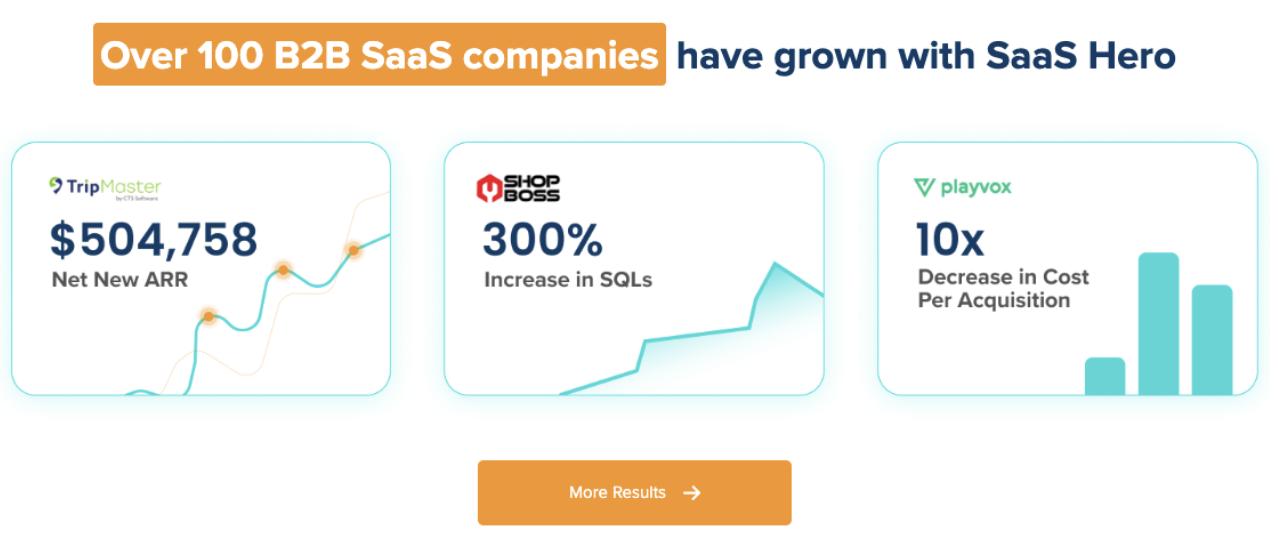
Winning programs require expertise in B2B SaaS buyer psychology, platform-specific execution, and legal compliance. Companies like TripMaster ($504k Net New ARR), TestGorilla ($70M Series A), and Playvox (10x CPL reduction) show how structured conquesting can drive meaningful revenue.

Book a discovery call to launch a conquesting strategy that turns competitor research into your advantage.
FAQs
Legal Status of Competitor Conquesting for B2B SaaS
Competitor conquesting remains legal when executed correctly. You can bid on competitor keywords and use their names in factual comparisons. Key requirements include clear identification of your company as the advertiser, no use of competitor logos or trademarks in creative assets, truthful claims about competitor features or pricing, and no confusion about the ad source. Focus on accurate comparisons and avoid any false or misleading statements about competitors.
How Conquesting Differs from Traditional B2B SaaS Ads?
Traditional B2B SaaS advertising targets broad audiences with general product benefit messaging. Conquesting focuses on users who already research your competitors, which signals a defined need and active evaluation. This higher intent usually produces stronger conversion rates and lower customer acquisition costs. Conquesting also depends on specialized landing pages that address competitor comparisons directly, while traditional ads often send traffic to generic product pages.
Measuring ROI from Competitor Conquesting
Measure conquesting ROI with revenue-focused metrics instead of vanity metrics like clicks or impressions. Track Net New ARR, Customer Acquisition Cost by campaign, Sales Qualified Leads from conquesting traffic, and pipeline value tied to competitor campaigns. Use CRM tracking to connect ad clicks with closed-won revenue. Top-performing campaigns often reach payback periods under 90 days and show clear incremental revenue growth.
What is the Recommended Budget for B2B SaaS Conquesting?
Allocate 20-30% of your paid media budget to competitor conquesting campaigns and split the rest between brand defense and category-level targeting. Start with 10-15% to test and refine, then scale based on performance. High-growth SaaS companies sometimes increase conquesting to 40% or more of total budget once they find winning campaigns. Maintain profitable unit economics while scaling and prioritize campaigns that deliver payback in under 90 days.
What are the Best Platforms for B2B SaaS Competitor Conquesting?
Google Ads usually leads B2B SaaS conquesting because users show strong search intent when they research competitors. LinkedIn Ads excel for targeting specific job titles and company sizes, which supports enterprise and mid-market motions. Microsoft Bing often offers lower costs with professional audiences but smaller volume. The strongest approach uses Google for bottom-funnel capture around pricing and alternatives searches and LinkedIn for mid-funnel nurturing with decision-maker targeting. Avoid Facebook and Instagram for B2B conquesting because they lack professional context and search intent.