




Key Takeaways
- Heuristic analysis frameworks enable rapid B2B SaaS onboarding audits that cut TTFV by 30% and double activation rates without waiting for A/B test data.
- SaaSHero’s 7 principles focus on relevance, clarity, trust, friction, role alignment, integrations, and TTFV so teams can prioritize high-impact fixes using severity scoring.
- Adapted Nielsen heuristics address SaaS-specific challenges like multi-stakeholder journeys and enterprise integrations, which reduces abandonment by exposing conversion killers.
- Five-step audits with three evaluators uncover quick wins that have boosted completion rates from 55% to 78% and delivered $500k+ ARR lifts.
- Partner with SaaSHero for a discovery call to audit your onboarding and unlock revenue potential through expert CRO services.
Executive Summary and Core Heuristic Framework
Heuristic analysis frameworks for B2B SaaS onboarding deliver four consistent benefits: 30% TTFV reduction, 2x activation rate improvements, prioritized fix roadmaps, and direct alignment with SaaS metrics. Traditional UX audits often wait weeks for traffic data, while heuristic evaluation uses expert reviews to identify conversion killers immediately. Marketing SaaS companies fixing heuristic violations have raised completion rates from 55% to 78%. SaaSHero uses a heuristic analysis methodology within their Conversion Rate Optimization (CRO) services, where three independent evaluators review sites against principles such as relevance, clarity, trust, and friction.

| Principle | Onboarding Application | SaaS Metric Impact | Severity Score (0-3) |
|---|---|---|---|
| Relevance | Ad-to-onboard message match | Reduces bounce rate | 3 = 50%+ drop-off |
| Clarity | 5-second value proposition | Improves activation | 2 = 25-50% drop-off |
| Trust | SOC2 badges above fold | Increases trial conversion | 1 = 10-25% drop-off |
| Friction | 3-field maximum forms | Boosts completion rates | 0 = <10% drop-off |
Teams ready to audit their onboarding flow can book a discovery call with SaaSHero’s CRO experts.
B2B SaaS Onboarding Landscape and Current Gaps
The B2B SaaS onboarding journey runs from initial admin setup through activation and adoption phases. About 65% of companies now use AI-powered personalization to tailor early experiences by use case, team size, and integration needs. However, 75% of users still abandon within the first week due to onboarding issues, which exposes a gap between technology adoption and execution quality.
Nielsen Heuristics Tailored for SaaS Onboarding
Nielsen’s original heuristics need SaaS-specific adjustments to handle modern onboarding challenges.
| Original Heuristic | SaaS Adaptation | Onboarding Impact |
|---|---|---|
| Visibility of System Status | TTFV Progress Indicators | Reduces abandonment anxiety |
| Match System & Real World | Role-Based Terminology | Improves comprehension |
| User Control & Freedom | Skip/Customize Options | Accommodates different use cases |
These adaptations address multi-stakeholder B2B purchases and complex enterprise integration requirements that standard heuristics often miss.
SaaSHero’s Heuristic Analysis Approach for CRO
SaaSHero uses a structured heuristic analysis process within their CRO services that surfaces conversion killers without waiting for large data samples. Their documented workflow relies on three independent evaluators who review experiences against core usability principles.
Key Principles:
Relevance: The landing page must match the ad copy so users instantly recognize context and intent.
Clarity: Users should understand the value proposition within five seconds using a clear headline and supporting copy.
Trust: Trust signals such as logos, SSL indicators, and testimonials should appear above the fold.
Friction: Forms should contain only essential fields, and navigation should not distract from the primary action.
This qualitative audit produces a prioritized roadmap of quick wins that fix glaring usability issues before teams scale media spend, as shown in their innQuest CRO audit example.
| Severity Level | Drop-off Impact | Priority | Example Issues |
|---|---|---|---|
| 3 (Critical) | 50%+ abandonment | Immediate fix | Broken signup flow |
| 2 (High) | 25-50% abandonment | Week 1 fix | Unclear value prop |
| 1 (Medium) | 10-25% abandonment | Month 1 fix | Missing progress indicators |
| 0 (Low) | <10% abandonment | Backlog | Minor copy improvements |
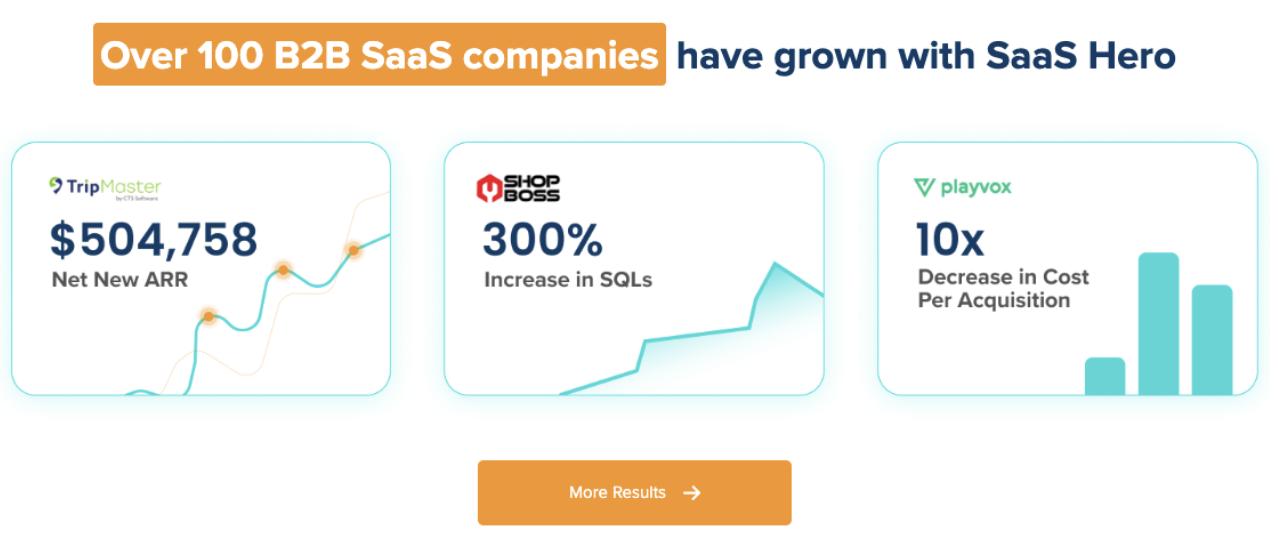
SaaSHero case studies show CRO results from heuristic analysis, including TripMaster’s 20% conversion rate improvement and $504,758 in net new ARR.
Five-Step Heuristic Audit for Onboarding
Teams can run comprehensive onboarding audits by following this five-step methodology.
1. Map Onboarding Stages: Document every step from signup through first value. Capture decision points, form fields, and integration requirements.
2. Use Three-Evaluator Scoring: Assign independent reviewers who score each principle on a 0-3 severity scale. Multiple evaluators catch problems that increase conversion rates by up to 400%.
3. Prioritize by Impact: Calculate priority scores by multiplying severity ratings by traffic volume. Address high-traffic, high-severity issues first.
4. Ship Quick Fixes: Resolve critical severity 3 issues immediately. These changes usually need light development effort but deliver strong gains.
5. Track TTFV and Activation: Measure time-to-first-value with the formula: Date of First Value Achievement minus Signup Date. Monitor activation rates with cohort analysis.
Teams can download SaaSHero’s full audit checklist and Google Sheet template, or let SaaSHero run a comprehensive audit to uncover revenue-blocking friction.
Five Common Onboarding Pitfalls and Targeted Fixes
Multi-Role Ignorance: Single-path onboarding ignores multi-stakeholder purchases. Enterprise deals often involve 6 to 10 influencers who each need tailored information.
Vanity Over TTFV: Teams chase signup volume instead of faster value realization. About 75% of users abandon within the first week when value is not obvious.
Integration Afterthought: Treating data imports and tool connections as post-onboarding tasks hurts adoption. Integration complexity drives roughly 40% of enterprise trial failures.
Generic Progress Tracking: Simple completion percentages hide what matters. Users need progress indicators tied to business outcomes instead of arbitrary task lists.
Support Automation Over Human Touch: Fully automated flows underperform blended support. About 62% of users with proactive support complete activation versus 34% with automated flows.
SaaSHero Case Studies and Revenue Impact
SaaSHero delivers measurable revenue gains across B2B SaaS verticals through paid media, landing page design, and CRO services.
HR Tech Client (TestGorilla): The team achieved an 80-day payback period that supported a $70M Series A raise. Systematic campaign improvements across more than 5,000 new customers proved strong unit economics to investors.
TripMaster (Transit Software): The company generated $504,758 in net new ARR with 650% ROI and a 20% conversion rate lift. CRO analysis exposed missing trust signals and unclear value propositions that SaaSHero then improved.

Companies can scale growth with SaaSHero’s senior-led team. Monthly retainers start at $1,250 with month-to-month flexibility so engagement stays aligned with growth goals.
Conclusion and Next Steps for Your Team
SaaSHero’s 7-principle heuristic analysis framework turns B2B SaaS onboarding from a conversion bottleneck into a revenue driver. By addressing relevance, clarity, trust, friction, role alignment, integration experience, and TTFV acceleration, companies see 30% faster value realization and 2x activation improvements. The severity scoring system keeps teams focused on the highest-impact fixes first.
Teams seeking $500k+ ARR lifts from onboarding improvements can partner with SaaSHero. Book a discovery call to audit your current onboarding experience and uncover hidden revenue potential.
Frequently Asked Questions
What is a heuristic framework for SaaS onboarding?
A heuristic framework for SaaS onboarding is a structured evaluation method that uses expert-defined principles to uncover usability and conversion issues without heavy user testing. Traditional A/B testing needs weeks of traffic, while heuristic analysis delivers immediate insights by checking onboarding flows against principles such as clarity, friction reduction, and trust building. SaaSHero applies heuristic analysis in CRO audits for landing pages and conversion flows, as documented in their innQuest CRO audit.
How do you measure time-to-first-value (TTFV) in B2B SaaS onboarding?
Teams measure time-to-first-value by tracking the time between user signup and the first meaningful value event inside the product. The formula is: TTFV equals Date of First Value Achievement minus Signup Date. First value depends on the product and often includes completing a core workflow, generating a first report, or reaching a primary use case outcome. Leading B2B SaaS companies target TTFV under 14 days, while complex enterprise products may allow up to 30 days. Product analytics tools such as Mixpanel or Amplitude track TTFV through custom events that fire when users complete value-defining actions.
What is the difference between Nielsen’s heuristics and SaaSHero’s framework?
Nielsen’s 10 heuristics focus on broad usability principles such as visibility of system status and error prevention. SaaSHero uses a heuristic analysis methodology adapted for B2B SaaS conversion, with principles like Relevance, Clarity, Trust, and Friction. Their framework relies on three independent evaluators and produces prioritized roadmaps that connect usability issues directly to performance gains in their CRO work.
How often should you conduct heuristic evaluations of your onboarding flow?
Teams should run full heuristic evaluations quarterly for fast-moving products and twice a year for mature platforms. Immediate evaluations also help when activation rates drop below targets, after major product releases, or when entering new segments. Ongoing monitoring includes monthly reviews of high-severity issues and weekly checks of completion rates and drop-off points. Evaluation frequency should match the product roadmap and customer feedback cycles so teams catch friction before it hurts revenue.
What tools are needed to implement a heuristic analysis framework?
Core tools include product analytics platforms such as Mixpanel or Amplitude to track behavior and drop-offs, heatmap tools like Hotjar or FullStory for visual interaction data, and session recording software to watch real user journeys. Teams also need CRM integrations such as HubSpot or Salesforce to connect onboarding actions with revenue outcomes, plus collaboration tools like Slack or Notion to coordinate evaluations. Advanced setups add A/B testing platforms such as Optimizely or VWO to validate heuristic-driven changes and customer feedback tools like Intercom or Zendesk to collect qualitative insights that support quantitative findings.