




Written by: Aaron Rovner, Founder, Saas Hero
Key Takeaways
- Build precise ICPs by analyzing top customers’ firmographics, technographics, and LTV patterns so you prioritize high-value prospects over lead volume.
- Layer intent data from tools like 6sense and Bombora with first-party signals to reach prospects at peak buying readiness and cut CPL by up to 50%.
- Use technographic segmentation to spot competitor users and tech stack gaps, then send tailored messaging that drives Net New ARR, as in SaaSHero’s TripMaster case.
- Implement AI-powered lead scoring that blends behavior, firmographics, and intent for 40% higher qualification accuracy and 3x SQL generation.
- Apply these strategies with expert support. Schedule a discovery call with SaaSHero to transform your agency’s B2B SaaS lead gen results.
Strategy 1: Build ICPs That Mirror Your Top 20% Customers
Precise data-driven targeting starts with a tightly defined Ideal Customer Profile. Account-Based Marketing uses firmographics, revenue size, industry, and fit criteria to select target accounts, and high-performing agencies go deeper by mining CRM data for patterns among their highest-value customers.
The strongest ICP process reviews the top 20% of customers by LTV and pulls out shared traits. Focus on company size, technology stack, industry vertical, decision-maker job titles, and geographic location. Score prospects with a weighted model that favors LTV/CAC ratio instead of raw lead volume so your pipeline skews toward profitable accounts.
ICP Development Checklist:
- Analyze top customers using revenue and retention metrics
- Map decision-maker job titles and organizational structure
- Identify technology stack patterns with tools like Clearbit
- Score accounts against fit criteria and buying signals
- Create negative personas to filter out low-value prospects
SaaSHero’s TestGorilla case study shows this precision in action. The team hit an 80-day payback period by targeting HR Tech companies within specific employee ranges and technology needs instead of marketing to every business software buyer.
Strategy 2: Layer Intent Data for Timing and Relevance
Intent data gives agencies a way to find prospects already researching solutions, which sharply improves conversion rates. Enterprise SaaS teams reach 40% MQL-to-SQL conversion with AI-powered lead scoring, nearly triple generic B2B benchmarks, when they fold intent signals into targeting.
Effective intent programs blend first-party signals such as website behavior and content engagement with third-party research intent from platforms like Bombora and 6sense. 6sense, Demandbase, Bombora, and Intentsify rank among the top intent data platforms for predictive lead scoring and high-value account identification.
|
Intent Tool |
Key Feature |
Agency ROI Impact |
|
6sense |
Predictive ABM signals |
50% CPL reduction |
|
Bombora |
Topic research surges |
3x SQL increase |
|
ZoomInfo |
Enrichment + intent |
Improved targeting precision |
High-performing agencies stack multiple intent signals such as content consumption, competitor research, technology evaluation searches, and pricing page visits. This layered view reveals the right moment for outreach so sales teams contact prospects when they feel most open to a conversation.
Best-Fit Intent Data Platforms for B2B SaaS Agencies
Top intent data platforms for B2B SaaS agencies combine broad coverage with clear, actionable insights. Apollo.io serves as a strong all-in-one option for predictive lead scoring and multi-channel outreach, with 275M+ contacts, email sequencing, LinkedIn automation, and buying intent signals. For deeper intent detection, 6sense stands out with anonymous visitor identification and account-level signal aggregation.
Integration strength has a major impact on results. The most useful tools sync cleanly with HubSpot, Salesforce, and marketing automation platforms so you can trigger automated sequences when intent thresholds hit. This setup lets agencies respond to buying signals within hours, not weeks, which lifts conversion rates.
Strategy 3: Use Technographic Segmentation to Target Real Buyers
Technographic segmentation focuses on a prospect’s current technology stack so you can find companies using competitors or outdated tools that need replacement. Average B2B CPL sits near $200, with marketing-sourced pipeline at 30–60% of revenue, and technographic targeting can cut CPL by about 31% through sharper audience definition.
Strong technographic strategies center on three areas. First, competitor displacement targets users of specific competing tools. Second, technology stack gaps highlight companies missing complementary products. Third, upgrade opportunities reveal users on outdated versions or lower-tier plans who feel friction with current setups.
Technographic Segmentation Process:
- Map competitor technology stacks with Apollo or Clearbit
- Identify integration opportunities with tools prospects already use
- Target companies running outdated technology versions
- Craft personalized messaging for each tech stack scenario
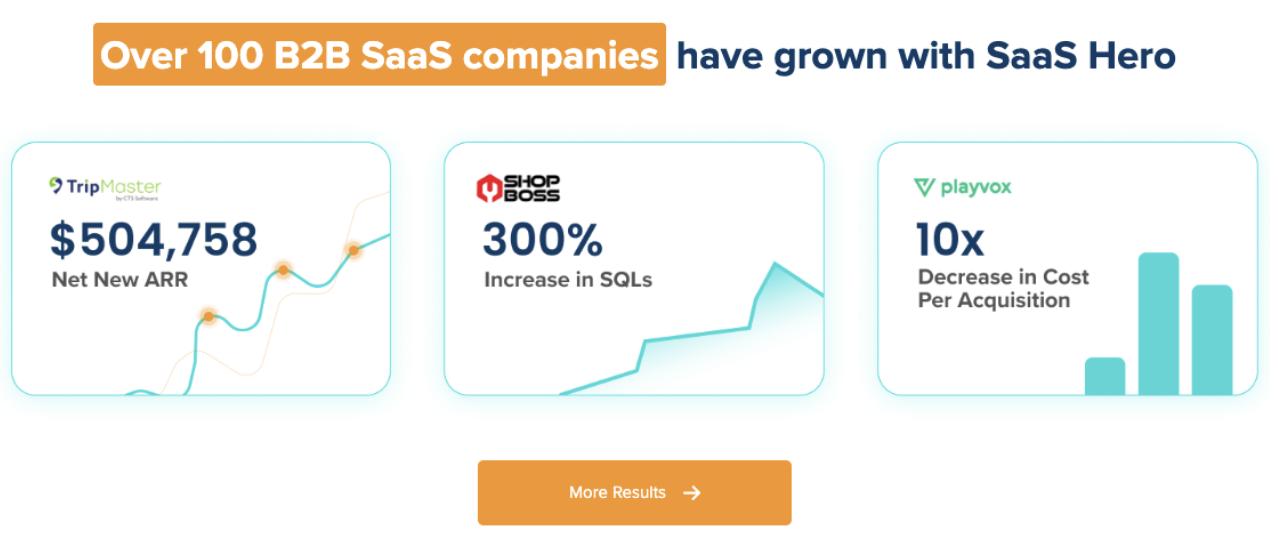
SaaSHero’s TripMaster success story illustrates this method. The team generated $504k in Net New ARR by targeting transit companies on legacy scheduling software and positioning their client as a modern alternative with stronger integrations.

Technographic Data Sources That Reveal Real Stack Details
Effective technographic work depends on enrichment tools that surface technology usage patterns across target accounts. ZoomInfo, Cognism, Clearbit, and Apollo rank as leading data enrichment platforms that support predictive scoring in sales intelligence. These tools let agencies filter by specific software, implementation dates, and contract renewal windows.
Success with technographic targeting comes from understanding the prospect’s pain with their current stack. That insight supports highly specific messaging that speaks to real limitations and presents your client’s product as the natural next step in their technology roadmap.
Strategy 4: Run Precision Ads with ICP-Based Lookalike Audiences
Data-driven advertising uses lookalike modeling and buying-intent keywords so you reach prospects with strong conversion potential. LinkedIn Ads can reach 14–18% MQL-to-SQL conversion compared with Google’s 7–12% when campaigns use ICP-based lookalike audiences and intent-focused keyword strategies.
Effective precision advertising leans into each platform’s strengths. LinkedIn excels at job title and company targeting. Google captures high-intent keyword traffic. Retargeting nurtures visitors who already engaged with your content or site. Leading agencies build lookalike audiences from their highest-value customers, not the full customer base, so audience expansion favors quality.
Advanced tactics include strict negative keyword management to block low-intent traffic, competitor conquest campaigns that reach users researching alternatives, and dynamic ad personalization by company size and industry. SaaSHero’s Playvox case study shows the impact, with a 10x CPL decrease after disciplined keyword refinement and audience tuning.
Agencies ready to sharpen advertising precision can book a discovery call and explore tailored, data-driven ad strategies.
Strategy 5: Score and Enrich Leads with AI Models
Modern lead scoring moves beyond basic demographics and folds in behavioral signals, technographic fit, and predictive analytics. AI-driven scoring lifts qualification accuracy by about 40% by improving intent analysis and technographic matching for stronger B2B SaaS lead ROI.
Clearbit ranks highly for real-time lead enrichment, adding 85+ data points such as company size and revenue for predictive scoring in B2B SaaS lead gen. Effective scoring models blend firmographic data like company size, industry, and revenue with behavioral signals such as content engagement and website activity plus intent data covering research topics and competitor evaluation.
|
Scoring Model |
Data Inputs |
Conversion Impact |
|
Predictive AI |
Behavior + technographics |
40% accuracy improvement |
|
Firmographic |
Revenue + job titles |
4x conversion rate |
|
Intent-Based |
Research signals |
3x SQL generation |
Companies that use lead scoring see 30–70% higher close rates, especially when models update in real time based on behavior and external signals.
Strategy 6: Orchestrate Multi-Channel Journeys Around Intent
Data-driven multi-channel programs coordinate email, LinkedIn, paid search, and content marketing so buyers experience a consistent story. Cross-channel outbound often blends email, paid social, paid search, and SEO to build trust with aligned messaging.
Smart orchestration uses intent data to trigger the right sequence. High-intent prospects receive fast sales outreach. Medium-intent prospects enter nurture flows. Low-intent prospects see retargeting ads with educational content. AI-powered live chat and automation handle questions, qualify leads, and increase purchases, with more than 75% of customers buying more when live support exists.
Advanced agencies also deploy conversation intelligence to review sales calls and extract winning messages. They then roll those insights into email, ads, and content, which creates a feedback loop that lifts conversion rates across the funnel.
Strategy 7: Track Revenue Metrics and Prove Attribution
Data-driven agencies prioritize revenue metrics such as SQLs, pipeline value, and Net New ARR so they can show clear ROI. MarketCrest used data-driven call tracking and Conversation Intelligence to give clients “undeniable proof” of leads and revenue attribution from marketing channels, which supported rapid growth and strong retention.
Advanced attribution models follow the full customer journey from first touch to closed-won revenue with tools like HubSpot attribution reporting and Salesforce campaign influence tracking. Lead attribution rose from under 10% to over 60% in one example, enabling data-informed decisions and supporting performance-based billing.
|
Client Case |
Key Metric |
Result |
|
TripMaster |
Net New ARR |
$504,758 |
|
TestGorilla |
Payback Period |
80 days |
|
Playvox |
CPL Reduction |
10x decrease |
Successful agencies define KPIs that match client goals, such as CAC payback periods, SQL-to-customer conversion rates, and revenue attribution percentages. Clear reporting around these metrics supports performance-based pricing and long-term relationships built on measurable outcomes.

Partnering with SaaSHero to Execute Data-Driven Targeting
These seven data-driven targeting strategies form a strong foundation for modern B2B SaaS lead generation, and effective execution often requires specialized expertise and a mature technology stack. SaaSHero applies a proven framework that has delivered consistent client results through disciplined performance marketing.
The agency’s flat-fee pricing model aligns incentives with client growth and avoids conflicts that come with percentage-of-spend billing. Month-to-month agreements signal confidence in performance, and a senior-led team structure keeps strategy and execution aligned.
Agencies ready to upgrade their lead generation can apply these frameworks with expert support. Book a discovery call to see how SaaSHero can drive measurable growth for your B2B SaaS clients.
Frequently Asked Questions
How does intent data reduce CAC for B2B SaaS agencies?
Intent data lowers CAC by focusing spend on prospects already researching solutions, which improves conversion rates and cuts wasted budget. When agencies combine first-party behavioral data with third-party research intent, they can spot prospects at the right moment for outreach. This precise timing often reduces CPL by 50% or more compared with broad demographic targeting because prospects already evaluate options instead of sitting in early awareness. The strongest programs stack multiple signals such as content consumption, competitor research, pricing page visits, and technology evaluation searches to build highly qualified lists that convert at higher rates.
What are the best tools for technographic segmentation in 2026?
Leading technographic tools in 2026 include Apollo.io for broad technology stack identification, ZoomInfo for enterprise-grade enrichment, and Clearbit for real-time technology detection. These platforms help agencies find prospects using specific software, track implementation dates, and monitor contract renewal timelines. 6sense adds advanced technographic insight paired with intent data, while Bombora contributes technology topic research signals. Agencies get the best results when they blend several data sources to build complete technology profiles, then craft messaging that addresses clear pain points and presents their solution as a logical upgrade or replacement.
How do AI trends impact B2B SaaS lead generation in 2026?
AI reshapes B2B SaaS lead generation through predictive scoring, automated personalization, and smarter conversation management. Predictive models now review hundreds of data points to flag prospects most likely to convert and improve qualification accuracy by about 40% over traditional methods. AI chatbots handle real-time visitor identification and qualification, while conversation intelligence tools scan sales calls to surface winning talk tracks. Agentic AI is emerging for autonomous nurturing and opportunity progression, with AI agents managing routine steps and routing high-value prospects to humans. Agencies that win with AI pair automation with human judgment so AI handles scale and humans guide strategy and relationships.
How can agencies prove ROI for performance billing models?
Agencies prove ROI for performance billing by tying marketing activity directly to closed-won revenue through robust attribution. This approach requires tracking systems that follow prospects from first touch through customer conversion with tools such as HubSpot attribution reporting and Salesforce campaign influence tracking. Leading agencies emphasize revenue metrics over vanity metrics and monitor Net New ARR, pipeline value, and CAC with clear payback periods. Call tracking and conversation intelligence add another layer of attribution, while analytics dashboards show marketing’s direct impact on revenue. Case studies like MarketCrest highlight how data-driven attribution supports claims of 10x ROAS and validates performance-based pricing.
What metrics should B2B SaaS agencies prioritize for client reporting?
B2B SaaS agencies should focus reporting on revenue-linked metrics such as Net New ARR, SQL-to-customer conversion rates, CAC payback periods, and pipeline velocity. These metrics tie marketing work to business growth instead of surface-level indicators like impressions or clicks. Advanced teams also track attribution percentages that show marketing’s role in closed deals, shifts in customer lifetime value, and changes in retention. Metrics such as MRR growth, trial-to-paid conversion rates, and expansion revenue from existing customers add further context. The priority is clear KPIs that match client objectives and transparent reporting that supports data-driven optimization.