




Written by: Aaron Rovner, Founder, Saas Hero
Key Takeaways
-
Many Google Ads agencies seize account ownership, bill a percentage of ad spend, and chase clicks instead of revenue, which burns SaaS budgets.
-
Major red flags include long-term contracts, bait-and-switch staffing, set-and-forget management, broad-match abuse that drives junk leads, and hidden fees.
-
Protect your company by choosing agencies with month-to-month terms, client-owned accounts, revenue reporting, SaaS experience, and low client-to-strategist ratios.
-
If you have been scammed, reclaim access through Google Support, audit spend, add negative keywords, and migrate data to stop further losses.
-
Partner with SaaSHero for scam-free management through flat-fee retainers and senior-led execution, and schedule a free ad account audit today.
The Problem: 9 Google Ads Agency Scams and Red Flags to Avoid in 2026
Google Ads agency scams now target SaaS companies with account takeovers, percentage-of-spend billing that rewards waste, and unrealistic ROAS promises. These schemes exploit complex B2B attribution and the pressure founders feel to hit aggressive growth targets.
1. Account Ownership Seizure
• Agency creates the Google Ads account under their email
• Withholds administrator access from the client
• Threatens to delete the account if the contract ends
2. Percentage-of-Spend Billing Trap
• Charges 10-20% of total ad budget as fees
• Gains more revenue by increasing spend, even when performance drops
• Creates a direct conflict between agency income and client efficiency
3. Bait-and-Switch Execution
• Senior strategist runs the sales process
• Junior account manager runs campaigns after you sign
• Overwhelmed staff often manage 30 or more client accounts
4. Long-Term Contract Lock-ins
• Requires 6-12 month minimum commitments
• Pushes all performance risk onto the client
• Encourages complacency because revenue is guaranteed
5. Vanity Metrics Obsession
• Reports impressions, clicks, and CTR instead of revenue
• Ignores SQL quality and closed-won attribution
• Prioritizes pretty dashboards over business outcomes
6. Set-and-Forget Management
• Skips regular optimization and strategy calls
• Relies on automated bidding with little human oversight
• Uses quarterly check-ins while claiming active management
7. Dangerous Broad-Match Abuse
• 60-70% of B2B SaaS Google Ads leads are junk because of poor keyword targeting
• Thin negative keyword lists allow irrelevant traffic to flood in
• Job searches and tutorial queries quietly consume your budget
8. Hidden Fee Structures
• Setup costs buried in fine print
• Extra charges for basic reporting
• Premium fees for account access or data exports
9. SaaS-Blind Generalists
• No understanding of churn, MRR, or sales cycles
• Treats SaaS like e-commerce with instant conversions
• Ignores the complex attribution of B2B buyer journeys
|
Scam Tactic |
Warning Sign |
SaaS Impact |
|---|---|---|
|
Account Seizure |
Agency email owns account |
Loss of historical data |
|
%-Spend Billing |
Fees tied to budget size |
Inflated spend recommendations |
|
Vanity Metrics |
CTR reports without revenue |
Wasted budget on unqualified traffic |
Get a professional assessment of your current agency relationship to uncover these red flags.

These nine scams show the most obvious forms of abuse. Many agencies avoid blatant fraud yet still operate with deeper structural issues that drain budgets in quieter ways.
Deeper SaaS Agency Red Flags That Quietly Drain Your Budget
Beyond the obvious scams above, SaaS-specific agency red flags expose systemic problems. Agencies that guarantee specific revenue outcomes like “10x ROI” behave unethically and often manipulate attribution models. Agencies that cannot clearly explain their documented onboarding process usually lack a repeatable, reliable methodology.
As mentioned in the percentage-of-spend trap above, this billing model does more than create conflicts. It makes sustainable optimization structurally impossible because every efficiency gain reduces agency income.
Boutique agencies often lack resources to staff accounts correctly, so junior teams handle execution even when senior leaders close the deal. This structure explains why many generalist agencies chase vanity metrics like impressions and clicks instead of pipeline and revenue.
Dark funnel attribution challenges intensify these problems because B2B buyers research heavily before converting. Agencies that claim full credit for final brand search conversions reveal that they cannot create incremental demand. SaaS marketing agencies that do not understand CRMs like Salesforce or HubSpot lack the technical fluency required in SaaS environments.
Let us evaluate your attribution tracking and your agency’s SaaS expertise before more budget disappears.

Vetting a Google Ads Partner: 7-Step 2026 Checklist for SaaS
Legitimate marketing agencies show transparency, expertise, and alignment through specific operating practices. Use this seven-step sequence before you sign any agency contract.
1. Month-to-Month Contract Terms
Start with contract length because it reveals confidence. Avoid agencies that demand 6-12 month commitments. Strong agencies keep clients through performance, not legal handcuffs.
2. Full Account Access and Ownership
After confirming flexible terms, verify account ownership. Businesses should create Google Ads accounts using their own company email, keep administrator and billing rights, and invite agencies as users or partners with limited permissions.
3. Revenue-Focused Metrics
Once ownership is clear, review reporting expectations. Agencies should track Net New ARR, SQL quality, and closed-won attribution instead of only impressions and clicks.
4. SaaS Vertical Experience
Next, confirm that the agency understands SaaS. Ask for active SaaS clients and case studies that highlight pipeline metrics, not just traffic lifts.
5. Senior-to-Client Ratios
Then examine staffing. A senior strategist should manage no more than 8-10 clients to allow real attention and ongoing optimization.
6. Integrated Communication
Communication patterns show how closely the agency will work with you. Dedicated Slack channels, weekly updates, and bi-weekly strategy calls signal a true partnership.
7. Documented Case Studies
Finally, inspect proof of results. Look for specific revenue outcomes with clear timelines instead of vague percentage lifts from unknown baselines.
|
Vetting Question |
Red Flag Response |
|---|---|
|
Contract length? |
12+ months required |
|
Account ownership? |
Agency creates or owns account |
|
Reporting metrics? |
Only impressions and clicks |
|
SaaS experience? |
No recent SaaS clients |
When a Google Ads Agency Becomes a Smart Investment
A Google Ads agency becomes worthwhile when the engagement uses flat-fee pricing and holds the team accountable for revenue. In that structure, a capable agency can deliver strong ROI and fast payback by focusing on qualified leads instead of vanity metrics.
The Solution if You Are Already Working With a Scam Agency
If you recognize scam indicators in your current agency relationship, fast action limits further budget waste. Start by auditing your ad spend allocation so you can measure the damage and find the worst campaigns. Next, reclaim account access through Google Support and two-factor authentication because you need full control before making changes. Finally, expand negative keyword lists with 200 or more exclusions for irrelevant queries to stop junk traffic.
After you stabilize the account, focus on recovery. Migrate historical data to new accounts, implement accurate offline conversion tracking, and set up transparent reporting frameworks. Document all communications and performance data before ending contracts so you preserve evidence for any future disputes.
Setup costs for legitimate agencies usually range from $1,000 to $2,000 for full audits and tracking implementation. This one-time investment prevents the ongoing waste that scam agencies create.
Schedule a recovery consultation to review your options and transition plan.
The Ultimate Solution: Partnering With SaaSHero Instead of Gambling on Agencies
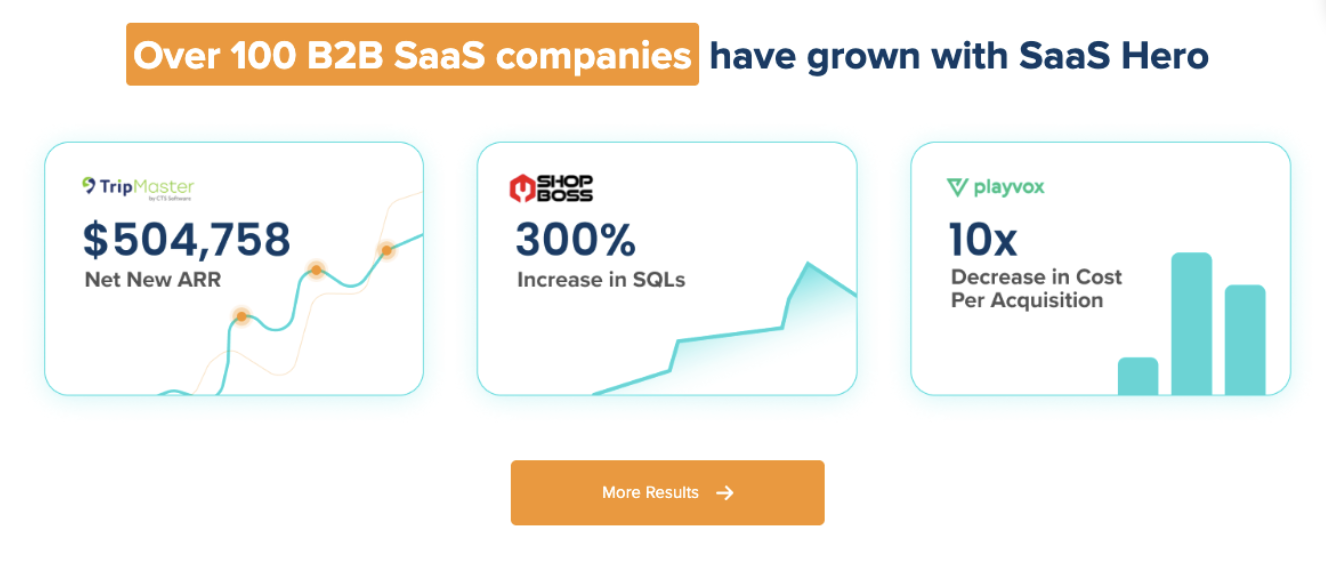
SaaSHero removes common agency scam risks through transparent flat retainers starting at $1,250 per month, month-to-month contracts, and senior-led execution with a maximum of 8-10 clients per manager. This model supported $504,758 in Net New ARR for TripMaster and contributed to TestGorilla’s $70M Series A raise.

Their pricing structure eliminates percentage-of-spend conflicts and gives CFOs predictable costs while CMOs gain scalable growth. CRO heuristics and competitor conquesting strategies improve conversion rates without hidden fees or long-term commitments.
|
Monthly Spend |
1 Channel |
2 Channels |
3+ Channels |
|---|---|---|---|
|
Up to $10k |
$1,250 |
$2,500 |
$3,750 |
|
$10k-$25k |
$1,750 |
$3,000 |
$4,250 |
|
$25k-$50k |
$2,250 |
$3,500 |
$4,750 |
FAQ
What are the most obvious Google Ads agency scam signs?
The three clearest scam indicators include agencies owning your account under their email, percentage-of-spend billing that rewards waste, and reporting only vanity metrics like impressions instead of revenue outcomes. Legitimate agencies provide full account access, use flat-fee pricing, and focus on Net New ARR generation.
What contract terms indicate a safe agency relationship?
Month-to-month agreements with no long-term commitments show that an agency trusts its own performance. Avoid any agency that demands 6-12 month contracts because this structure shifts risk to the client and shields mediocre teams from accountability. Performance-focused partnerships earn retention through results, not legal pressure.
How can I spot a fake marketing agency?
Fake agencies lack documented case studies with concrete revenue metrics and cannot explain how they integrate with CRMs like HubSpot or Salesforce. They also show weak self-marketing, such as outdated blogs or inactive social media. Real agencies demonstrate expertise through active SaaS portfolios and clear onboarding processes.
Is hiring a PPC agency worth the investment for SaaS companies?
Hiring a PPC agency pays off when the engagement model aligns agency incentives with your business outcomes instead of budget size. Professional teams deliver strong ROI and efficient payback by implementing advanced attribution tracking, competitor conquesting, and conversion rate improvements that many in-house teams cannot execute alone.
What specific red flags apply to SaaS marketing agencies?
SaaS-specific red flags include weak explanations of sales cycle attribution, limited understanding of B2B buyer journeys, and optimization for lead volume instead of SQL quality. Another warning sign is unfamiliarity with SaaS metrics such as churn, MRR, and customer lifetime value. Effective SaaS agencies understand multi-stakeholder decisions and long sales cycles.
Conclusion
Google Ads agency scams target SaaS founders through account seizures, percentage-of-spend traps, and vanity metric smoke screens. Use this checklist to vet partners, insist on month-to-month contracts with flat-fee pricing, and require revenue-focused reporting. If you are already stuck in a scam relationship, decisive action protects the rest of your budget.