




Last updated: February 5, 2026
Key Takeaways
- Most Facebook ads agencies use percentage-of-spend models (15-20%) and DTC-style targeting, which usually delivers 2-4x ROAS and rarely fits high-intent B2B SaaS needs.
- High-intent platforms like Google Ads and LinkedIn reach active researchers and buyers, often achieving 4-8x ROI through competitor conquesting and precise professional targeting.
- SaaSHero uses flat-fee pricing (starting at $1,250), month-to-month contracts, and has proven 650% ROI with an 80-day payback, generating $504k in Net New ARR.
- Traditional agencies emphasize vanity metrics such as CTR and impressions, while B2B-focused alternatives prioritize pipeline value and CRM-connected revenue tracking.
- You can escape agency traps with SaaSHero’s discovery call, which audits your setup and implements revenue-aligned strategies.
How Facebook Agencies Stack Up Against High-Intent B2B Alternatives
Facebook ads agencies mainly serve DTC brands with broad interest targeting and creative-heavy campaigns. Companies like Disruptive Advertising and LYFE Marketing excel at awareness and engagement but struggle with B2B SaaS buyer journeys and long sales cycles. Facebook Ads face sluggish engagement as they compete in crowded feeds, which makes them a weak fit for high-intent B2B targeting.
High-intent alternatives, such as Google Ads and LinkedIn specialists, focus on users who actively search for solutions or research competitors. LinkedIn Ads appears in 37.5% of B2B martech stacks in Q4 2025, which shows its strength in professional targeting.
This evaluation framework compares five criteria: pricing models (percentage versus flat-fee), ROI benchmarks (ROAS versus ARR), B2B specialization, contract terms, and targeting precision. Data sources include 2026 SERP analysis, G2 reviews, and verified case studies from leading agencies.
Side-by-Side Comparison: 5 Facebook Agencies vs 5 B2B Alternatives
|
Agency/Platform |
Pricing Model |
ROAS/ROI Benchmarks |
B2B Strengths/Weaknesses |
Contract Terms |
|
Disruptive Advertising |
15-20% of spend |
2-4x ROAS (DTC) |
Strong B2B capabilities with refined targeting |
6-12 months |
|
LYFE Marketing |
10-15% of spend |
3x ROAS average |
Limited B2B case studies |
6 months minimum |
|
Brighter Click |
12-18% of spend |
2.5-3.5x ROAS |
DTC-focused, poor B2B fit |
Annual contracts |
|
Common Thread |
15% of spend |
4x ROAS (eCommerce) |
No B2B SaaS expertise |
12 months |
|
Goodo Studios |
20% of spend |
3-5x ROAS |
Creative-heavy, low intent |
6-12 months |
|
DIY Google Ads |
Ad spend only |
Variable, 2-6x |
High learning curve |
None |
|
Freelancers |
$50-150/hour |
Inconsistent |
Limited scale/expertise |
Project-based |
|
Generic Google Agency |
10-15% of spend |
3-5x ROAS |
Better intent, broad focus |
6 months |
|
LinkedIn Specialist |
$3,000-8,000/month |
4-8x ROI (B2B) |
Professional targeting |
3-6 months |
|
SaaSHero |
$1,250 flat entry |
650% ROI, 80-day payback |
B2B SaaS-only, $504k ARR |
Month-to-month |
SaaSHero stands out with flat-fee pricing that removes spend incentives and month-to-month contracts that keep performance accountable. Their 650% ROI and 80-day payback period show stronger B2B results than traditional Facebook agencies.
Why Facebook Agencies Miss and High-Intent Channels Win
Where Facebook Agency Models Break for B2B SaaS
The percentage-of-spend model rewards agencies for higher budgets, even when performance stalls. Cons of top agencies include premium pricing relative to outsourced or freelance talent, with many charging 15-20% of total ad spend plus setup fees.
Facebook’s interest-based targeting rarely reaches high-intent B2B buyers who actively research solutions. A common mistake in ads is treating Reddit like Facebook, using polished creative and aggressive CTAs that fail, which highlights how Facebook-style tactics do not fit B2B environments.
Most Facebook agencies report on vanity metrics such as CTR and impressions instead of pipeline value and Net New ARR. This gap leaves B2B marketers exposed when CFOs demand clear unit economics and CAC efficiency.
How Google and LinkedIn Outperform Facebook
High-intent platforms reach users during active research phases. Google Ads targets competitor pricing searches, and LinkedIn reaches decision-makers by job title and company size. Over 70% of B2B marketers use intent data in 2026 to identify ICPs and prioritize high-intent accounts.
Specialized B2B agencies such as SaaSHero run competitor conquesting campaigns that target searches like “[Competitor] pricing” and “[Competitor] alternatives.” These campaigns often deliver 10x lower cost-per-lead by intercepting buyers already in evaluation mode.
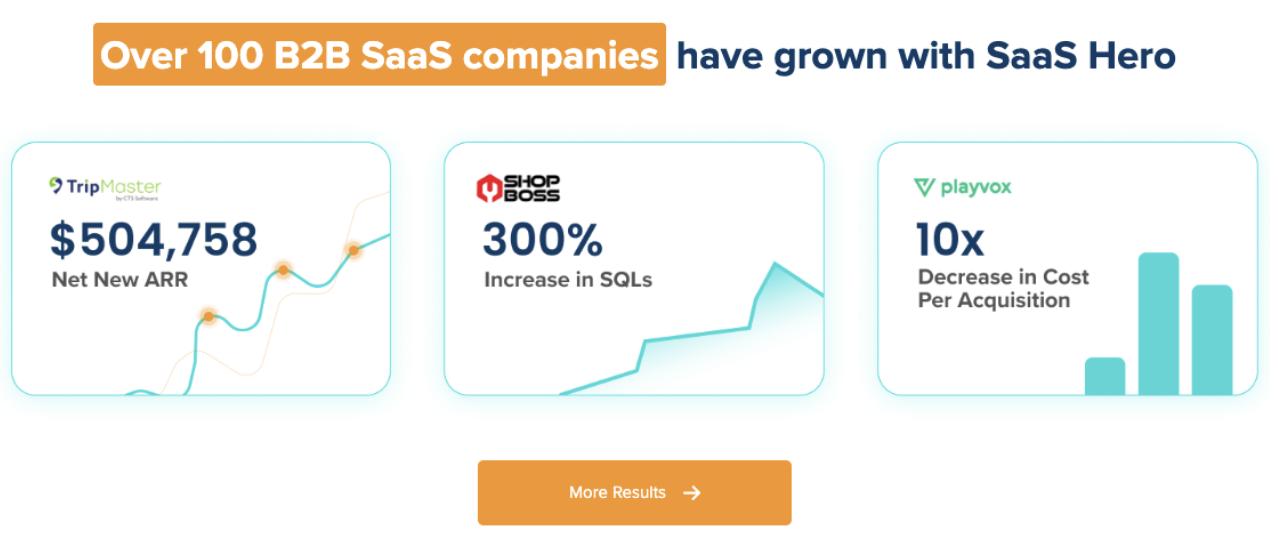
Revenue tracking that connects to CRM systems enables accurate ROI measurement. SaaSHero’s TripMaster case study generated $504,758 in Net New ARR with 650% ROI, which shows the impact of intent-driven targeting compared with Facebook’s broad awareness focus.

When to Switch and How to Roll Out High-Intent Campaigns
Bootstrapper Scenario: Founders managing around $500k ARR can start with SaaSHero’s $1,250 pilot program. This approach avoids $5,000-plus Facebook retainers while still accessing senior-level expertise.
Frustrated Migrator: VPs of Marketing burned by percentage-fee agencies can move to flat-fee specialists who report on pipeline value instead of vanity metrics. This shift aligns agency success with revenue outcomes.
Post-Funding Scaler: Series A companies that need rapid growth can launch competitor conquesting campaigns immediately. These programs can hit 80-day payback periods that satisfy investor expectations on unit economics.

Implementation Checklist:
- Audit the current tracking setup and attribution models
- Implement negative keyword strategies to cut wasted spend
- Set up CRM integration for revenue and pipeline tracking
- Test month-to-month contracts before signing long-term agreements
- Prioritize Net New ARR metrics over vanity metrics
Book a discovery call to design a personalized switch strategy and exit percentage-fee traps.
Frequently Asked Questions
What is the ROAS gap between Meta and Google for B2B SaaS?
Meta agencies usually achieve 2-4x ROAS for DTC brands, while B2B SaaS often sees lower performance because of longer sales cycles and weak intent targeting. Google Ads specialists who focus on high-intent keywords often deliver 4-8x ROI for B2B SaaS by capturing users who actively research solutions. The main difference comes from reaching users who scroll social feeds versus users who search for business tools.
Should I hire an agency, go DIY, or use freelancers for Facebook ad alternatives?
DIY can work for simple campaigns, but it demands significant time and a steep learning curve. Freelancers reduce costs but often struggle with scale and consistent quality. Specialized agencies usually provide the best mix of expertise, scale, and accountability, especially when they offer month-to-month contracts and flat-fee pricing that removes conflicts of interest.
How does SaaSHero’s pricing compare with traditional Facebook agencies?
SaaSHero’s flat-fee model starts at $1,250 per month for up to $10k in ad spend. Facebook agencies often charge 15-20% of spend plus setup fees. With a $10k monthly budget, traditional agencies charge $1,500-2,000 each month plus extras, while SaaSHero’s fixed pricing removes spend incentives and keeps costs predictable.
Why do Facebook agencies struggle with B2B SaaS marketing?
Facebook’s interest-based targeting reaches users who browse social media, not buyers who research business solutions. B2B buyers run extensive research across many touchpoints before they talk with sales teams. Facebook agencies also focus on impressions and CTR instead of pipeline value and Net New ARR, which B2B companies need to justify marketing budgets.
What are strong LinkedIn agency options for B2B SaaS?
LinkedIn specialists who focus on B2B SaaS provide the most reliable professional targeting. Look for agencies with CRM integration, competitor conquesting experience, and flat-fee pricing models. SaaSHero combines LinkedIn expertise with Google Ads conquesting and month-to-month contracts, which deliver full-funnel B2B coverage without long-term lock-ins.
Conclusion: Move From Facebook Fees to Intent-Driven Growth
Data shows that Facebook agencies’ DTC-focused approach fails B2B SaaS companies that need high-intent targeting and revenue-aligned partners. The dominant B2B martech stack in 2025 is HubSpot plus LinkedIn Ads plus Google Analytics, adopted by 28.5% of mid-market companies, which confirms the shift toward intent-led platforms.
Percentage-of-spend models, long contracts, and vanity metrics create deep misalignment between agency success and client revenue. High-intent alternatives such as Google and LinkedIn specialists provide stronger targeting, clearer pricing, and revenue-focused reporting that B2B SaaS teams now expect.
SaaSHero leads this shift with 650% ROI, 80-day payback periods, and $504k-plus ARR case studies. Their flat-fee, month-to-month model removes conflicts of interest that plague traditional agencies while driving measurable Net New ARR growth.
Book a discovery call today to exit Facebook agency fee traps and unlock scalable B2B SaaS growth through intent-driven marketing.