




Key Takeaways
- Shift focus from vanity metrics like CTR to revenue indicators such as ROAS (4-6x benchmark) and CPQL ($45-65) for meaningful B2B SaaS performance.
- Use Meta Pixel with CAPI, custom events, and CRM integration (HubSpot or Salesforce) to attribute revenue from first impression to closed-won deals.
- Track full-funnel metrics including lead-to-SQL rates (5-15%), CAC payback (80-120 days), and frequency caps that reduce ad fatigue.
- Apply 2026 vertical benchmarks, such as 1.4-2.0% CTR in HR Tech and 5-8x ROAS in Cybersecurity, and review weekly Looker Studio dashboards for performance decisions.
- Partner with SaaSHero to roll out these frameworks and scale toward $500k+ ARR, then book a discovery call to start.

Core Setup Requirements for B2B SaaS Facebook Measurement
Confirm your core tools and access before you touch any metrics. You need Meta Ads Manager with admin access, Meta Pixel and Conversions API configured, and CRM integration through HubSpot, Salesforce, or Pipedrive. Set up Looker Studio or a similar reporting platform so you can build clear, recurring dashboards.
Clarify B2B SaaS terminology early to avoid confusion later. TOFU covers awareness campaigns, MOFU covers consideration content, and BOFU focuses on demo requests. SQLs represent Sales Qualified Leads, and CAC payback periods show how quickly you recover acquisition costs. Median CAC payback improved in 2024 despite higher acquisition costs, so accurate measurement now matters more than ever.
Plan for 2-4 weeks to complete setup and gather initial data. Expect attribution gaps from iOS privacy changes and “dark funnel” behavior where prospects research on their own before they convert.
Revenue-First Framework: 10 Metrics That Actually Matter
A revenue-first framework keeps attention on revenue attribution instead of surface-level metrics. Follow five core steps: perfect Meta tracking, track core revenue metrics, connect your CRM for revenue attribution, analyze funnel performance, and refine campaigns continuously.
|
Metric |
Formula |
SaaS Relevance |
2026 Benchmark |
|
ROAS |
Revenue ÷ Ad Spend |
Direct ROI measurement |
4-6x |
|
CPQL |
Ad Spend ÷ Qualified Leads |
Quality over quantity focus |
$45-65 |
|
CAC Payback |
Months to Recover CAC |
Cash flow efficiency |
80-120 days |
|
Lead-to-SQL Rate |
SQLs ÷ Total Leads |
Funnel quality indicator |
5-15% |
Step-by-Step Implementation Guide
Step 1: Build a Reliable Meta Tracking Foundation
Start with Meta Pixel and create custom events for demo requests, free trial signups, and pricing page views. Add Conversions API for server-side tracking so you reduce data loss from iOS restrictions. Use consistent UTM parameters across every campaign so your CRM can attribute revenue correctly.
Align custom conversion events with each stage of your sales funnel. Track “ViewContent” for pricing pages, “InitiateCheckout” for demo form starts, and “Purchase” for closed deals. This structure creates a clear path for accurate revenue attribution across the full buyer journey.
Step 2: Track the Core Revenue Metrics That Matter
ROAS equals Revenue divided by Ad Spend, yet B2B SaaS needs manual work to connect conversions to actual revenue. Calculate CPQL by dividing total ad spend by qualified leads such as MQLs or SQLs instead of total leads.
Watch frequency closely so you avoid ad fatigue. When frequency climbs above 3.0, creative performance usually starts to drop. Track assisted conversions and view-through conversions, because B2B SaaS retargeting shows 40-60% lower CPQL than cold campaigns.
Step 3: Connect Your CRM for Revenue Attribution
Connect Meta campaigns to your CRM with GCLID passthrough and UTM parameter mapping. In HubSpot, create custom properties that store Facebook campaign data. In Salesforce, use campaign member tracking so you can attribute deals to specific ad sets.
Adopt multi-touch attribution with longer windows that match B2B buying cycles. Use at least 7-day view and 30-day click windows for B2B SaaS. Track SQLs that close within 90 days so you see the real impact of campaigns on pipeline creation.
Step 4: Review Full-Funnel Performance and Bottlenecks
Calculate true CAC by dividing total acquisition costs, including ad spend, tools, and team costs, by new customers acquired. Track lead-to-SQL conversion rates and SQL-to-customer rates so you can pinpoint funnel stages that slow growth.
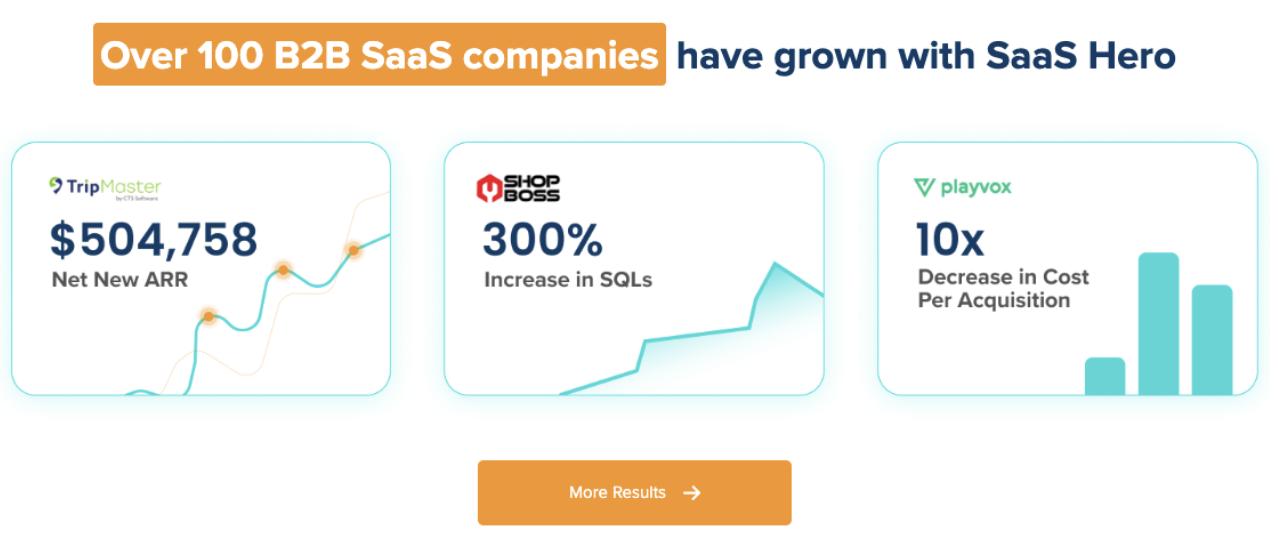
TripMaster offers a clear example of this approach in action. The company achieved $504,758 in Net New ARR with 650% ROI by using rigorous attribution tracking. Their 20% conversion rate from paid search shows how strong measurement and focused refinement can transform performance.

Book a discovery call to roll out similar attribution frameworks for your SaaS pipeline.
2026 B2B SaaS Facebook Benchmarks by Vertical
Benchmarks differ widely by SaaS vertical, so compare performance within your niche. 2025 Facebook lead generation campaigns average 2.53% CTR, while B2B SaaS often sees lower CTR because targeting focuses on higher-intent audiences.
|
Vertical |
CTR |
CPQL |
ROAS |
CAC Payback |
|
HR Tech |
1.4-2.0% |
$45-65 |
4-6x |
80-120 days |
|
Transportation |
1.2-1.8% |
$55-75 |
3-5x |
90-130 days |
|
Cybersecurity |
0.8-1.4% |
$75-95 |
5-8x |
100-150 days |
B2B SaaS on Meta averages £15.74 cost per acquisition, which equals about $20 USD and sits well below typical LinkedIn B2B costs. Prioritize qualified lead costs and revenue impact instead of raw conversion volume.
Review performance every week with Looker Studio dashboards so you spot trends early. Turn on data-driven attribution once you reach at least 1,000 conversions to support machine learning models. Treat ROAS above 4x and CAC payback under 120 days as strong signals that campaigns perform well.
Scaling Beyond Basic Metrics for Real ARR Growth
Move beyond basic metrics by testing creative and tightening control over exposure. Run A/B tests on CTAs, apply frequency caps that limit fatigue, and launch competitor conquesting campaigns where it makes sense. Estimate ARR impact by multiplying qualified leads by average deal size and close rates.
Extend winning campaigns to LinkedIn and Google Ads so you build a multi-channel view of attribution. Create custom events for “Net New ARR” so you can track revenue directly in ad platform interfaces. This setup guides automatic optimization toward revenue instead of simple lead counts.
Book a discovery call to put these advanced strategies into practice.
Summary and Practical Next Steps
Effective B2B SaaS Facebook measurement replaces vanity metrics with revenue-focused indicators. Use Meta Pixel with CAPI, track ROAS and CPQL, connect CRM attribution, and monitor conversion rates across the full funnel. Apply 2026 benchmarks as reference points while you adjust targets for your vertical and deal size.
Start with three immediate actions that move the needle. Audit your current tracking setup, connect any missing attribution paths, and build dashboards that highlight revenue instead of clicks. Work with specialists who understand B2B SaaS metrics and can shorten your path to a reliable measurement system.
Partner with SaaSHero for proven ARR results and book a discovery call to turn Facebook ad measurement from guesswork into a predictable growth engine.
Frequently Asked Questions
What is a good ROAS for B2B SaaS Facebook ads?
A strong ROAS for B2B SaaS usually falls between 4-6x, so every dollar spent returns $4-6 in revenue. Actual targets depend on average contract value and sales cycle length. Enterprise SaaS with higher ACVs can accept lower ROAS because lifetime value stays high, while SMB-focused SaaS often needs higher ROAS to stay profitable.
How long does it take to set up proper Facebook ad measurement for B2B SaaS?
Most teams need 1-2 weeks for basic setup and 3-4 weeks for advanced attribution modeling. This timeline covers Meta Pixel configuration, CRM integration, custom event creation, and dashboard builds. Add extra time for data collection before you make major optimization decisions.
Why choose SaaSHero over traditional agencies for Facebook ad measurement?
SaaSHero uses flat-fee pricing instead of percentage-of-spend models, so they remove incentives to waste budget. The team focuses only on B2B SaaS and works daily with metrics like CAC payback and Net New ARR. Month-to-month contracts and revenue-focused reporting align more closely with SaaS business models than generalist agency structures.

What attribution window should B2B SaaS use for Facebook ads?
B2B SaaS should use at least 7-day view and 30-day click attribution windows to match longer buying journeys. Enterprise deals often need windows of 90-180 days to capture the full path. Avoid Facebook’s default 1-day view and 7-day click setting because it undervalues awareness and multi-touch journeys that drive B2B deals.
How do you track Facebook ads to closed-won revenue in B2B SaaS?
Use UTM parameters and GCLID passthrough from Facebook ads to your landing pages, then store this data in your CRM. Tools such as HubSpot campaign attribution or Salesforce campaign influence connect initial ad clicks to closed deals. Build custom reports that show revenue by campaign, ad set, and creative so you can make clear optimization decisions.