




Key Takeaways
- Human-centric B2B ad testing focuses on buyer psychology and JTBD pain points instead of features, which delivers 2-5x higher SQL conversion rates.
- Five proven frameworks, including the 3-2-2 Method and 4-Phase Validation, cut CPL by up to 10x and support 80-day payback periods.
- Psychological intent segmentation targets pricing, problem, and review searches and consistently produces 14-18% MQL-to-SQL conversion rates.
- Revenue metrics such as Net New ARR and CAC payback matter more than vanity metrics like CTR or impressions.
- Avoid pitfalls like attribution blindness and misaligned messaging, and schedule a discovery call with SaaSHero to apply these frameworks correctly.
Five Human-Centric Frameworks for B2B Ad Testing
B2B advertising now rewards human-centric messaging that speaks to buyer psychology instead of feature lists. The five frameworks below give you a repeatable way to test ads that drive revenue, not just clicks.
|
Framework |
Description |
SaaS Metrics Impact |
Implementation Timeline |
|
3-2-2 Method |
3 creative variants, 2 audience segments, 2-week testing cycles |
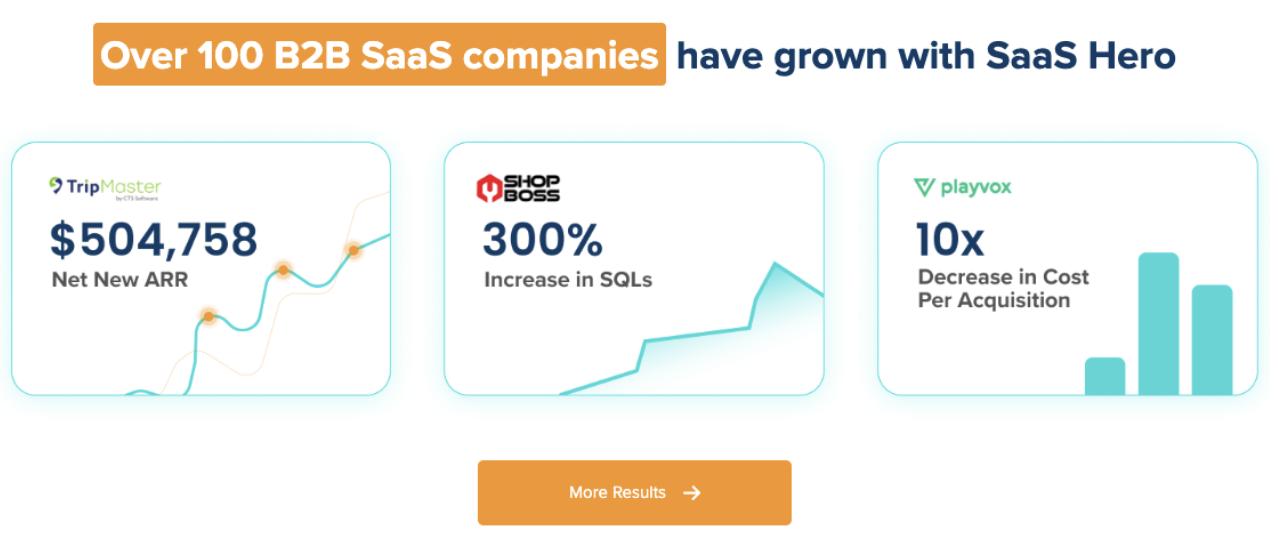
10x CPL reduction (Playvox case) |
2-4 weeks |
|
4-Phase Validation |
Concept → Mockup → Launch → Scale progression |
80-day payback periods |
6-8 weeks |
|
Psych Intent Segmentation |
Pricing/problem/review search buckets |
14-18% MQL-to-SQL rates |
3-4 weeks |
|
JTBD/AIDA Hybrid |
Jobs-to-be-Done + Attention-Interest-Desire-Action |
650% ROI achievements |
4-6 weeks |
These frameworks help B2B SaaS marketers convert skeptical, price-sensitive buyers who research heavily before talking with sales. LinkedIn testing typically needs 2-4 weeks for statistical significance because B2B audiences require more impressions than B2C campaigns.
Book a discovery call to apply these human-centric testing frameworks to your SaaS growth strategy.
3-2-2 Method: Structured Creative Testing
3-2-2 Step 1: Build Three Distinct Creative Angles
The 3-2-2 method gives you a clear structure for creative testing that balances speed with reliable data. You test three creative approaches against two audience segments over a two-week period.
Step 1: Creative Development – Create three distinct creative angles: problem-agitation that highlights pain, solution-focused that shows outcomes, and social proof that uses testimonials. Each creative should communicate the same core value proposition while tapping different psychological triggers.
3-2-2 Step 2: Segment Audiences by Buyer Psychology
Step 2: Audience Segmentation – Define two primary audience segments based on buyer mindset instead of basic demographics. Segment A targets “active evaluators” who search for competitor pricing and alternatives. Segment B targets “problem-aware” prospects who feel specific pain that your product solves.
3-2-2 Step 3: Run a Two-Week Test Cycle
Step 3: Testing Execution – Run campaigns for 14 days to reach statistical significance. LinkedIn campaigns need a minimum 2-week testing period because of B2B audience behavior and platform algorithms.
4-Phase Validation: From Idea to Scaled Revenue
The 4-phase validation framework moves campaigns from raw concept to scaled spend with clear performance gates at each step. No phase advances without proof that the previous stage works.
Phase 1: Concept Validation – Test core messaging hypotheses with minimal viable campaigns. Use CTR and engagement to confirm that the audience cares about the message before you commit real budget.
Phase 2: Mockup Testing – Build full creative executions and landing pages. Check message-match between ad copy and landing content, and track conversion rates and form completion behavior.

Phase 3: Launch Optimization – Roll out winning combinations with larger budgets. Add negative keywords and refine audiences based on conversion quality, not just volume.
Phase 4: Scale Execution – Increase budgets in a controlled way while protecting efficiency. Monitor CAC payback periods and Net New ARR attribution to confirm that growth remains sustainable.
Psychological Intent Segmentation for Search and Social
Psychological intent segmentation groups buyers by what their searches reveal about their mindset and readiness to buy. This approach goes beyond firmographics and focuses on what people actually want right now.
Pricing Intent Bucket – Target searches such as “[Competitor] pricing,” “how much does [Competitor] cost,” and “[Solution] cost comparison.” These users care about price and need transparent pricing plus a clear value story.
Problem Intent Bucket – Target searches like “[Competitor] alternatives,” “cancel [Competitor],” and “[Solution] problems.” These prospects feel active pain and respond well to switching offers and migration support.
Review Intent Bucket – Target searches such as “[Competitor] reviews,” “[Competitor] vs [Your Solution],” and “best [Solution category].” These users want social proof and third-party validation before they commit.
The 4 C’s: Clarity, Credibility, Conversion, Customization
The 4 C’s framework gives you a checklist for evaluating every ad through the lens of buyer psychology.
Clarity – Communicate the value proposition within five seconds. Test headline clarity with quick exposure tests and short comprehension surveys.
Credibility – Add trust signals such as customer logos, security badges, and performance metrics. Products with 5+ reviews see 270% higher conversions because buyers feel safer.
Conversion – Improve calls to action, form layout, and friction points. Test single-step versus multi-step forms and compare immediate demos with scheduled demos.
Customization – Tailor messaging by company size, industry, and use case. Dynamic content insertion increases relevance and engagement.
Tools and Metrics for Revenue-Focused Testing
Human-centric ad testing works best when your measurement stack connects impressions to closed revenue. The 2026 stack favors attribution accuracy and revenue impact over surface-level metrics.
Attribution Technology Stack – Use Looker Studio for cross-platform reporting, HubSpot or Salesforce for CRM data, and Google Tag Manager for event tracking. Data completeness above 70% and identity match rates above 60% support reliable attribution models.
Testing Platform Integration – Use Marpipe for creative testing automation, Unbounce for landing page experimentation, and native ad platform tools for audience segmentation. AI-driven testing tools cut manual work while keeping tests statistically sound.
Revenue Metrics Framework – Track Net New ARR, MQL-to-SQL conversion rates, and CAC payback instead of CTR or impressions. Well-run LinkedIn Ads often reach 14-18% MQL-to-SQL rates when they use intent-based targeting.

Maturity Assessment Checklist:
- Basic Level: A/B test headlines and CTAs using native platform analytics.
- Intermediate Level: Build intent-based segments and connect them to your CRM.
- Advanced Level: Run revenue attribution models and use predictive optimization.
Book a discovery call to benchmark your current maturity and design a practical implementation roadmap.

Costly Pitfalls in B2B SaaS Ad Testing
Mid-stage B2B SaaS companies between $1M and $50M ARR often repeat the same avoidable mistakes. Recognizing these patterns early helps you protect budget and accelerate growth.
Vanity Metric Obsession – Teams fixate on CTR, impressions, and CPC while ignoring revenue impact. MQL to SQL conversion rates can drop from 30% to 15% when qualification rules change and ad targeting stays the same.
Attribution Blindness – Different teams often report conflicting numbers because of weak attribution governance. This confusion slows decisions and pushes budget into the wrong channels.
Coordination Breakdown – Marketing hands off leads that sit untouched for days when no clear process exists between marketing and sales. High-intent prospects cool off and conversion rates collapse.
Message-Match Failures – Misalignment between ad copy, keywords, and landing pages hurts CTR and creates jarring experiences that damage brand trust.
Volume Over Quality Trap – Teams chase cheap leads and big numbers while ignoring downstream performance. CAC rises and unit economics weaken.
Buyer Persona Scenarios:
- Overwhelmed Founder: Manages ads personally while juggling other priorities and needs clear frameworks plus simple metrics.
- Frustrated VP: Moves away from underperforming agencies and wants revenue-focused reporting and transparent processes.
- Post-Funding Scaler: Faces aggressive growth targets with strict efficiency goals and needs proven frameworks with fast execution.
FAQ: Human-Centric B2B Ad Testing
What is human-centric ad testing for SaaS companies?
Human-centric ad testing focuses on buyer psychology, emotional triggers, and Jobs-to-be-Done instead of product features. B2B SaaS buyers often feel skeptical and risk-averse and they research heavily before buying. Human-centric tests address specific pain points, provide strong social proof, and present clear value propositions that match how people actually make decisions.
How does the 3-2-2 rule work for SaaS ad testing?
The 3-2-2 method tests three creative variations against two audience segments over a two-week period. The three creatives usually include problem-agitation, solution-focused, and social proof concepts. The two segments represent different buyer mindsets, such as active evaluators and problem-aware prospects. The two-week window gives enough data for B2B audiences while still allowing fast iteration.
What metrics should B2B SaaS companies prioritize for ad success measurement?
Revenue-focused metrics should lead your reporting. Track Net New ARR, MQL-to-SQL conversion rates, CAC payback periods, and pipeline value. These metrics connect ad spend to business outcomes instead of vanity metrics like CTR. Strong benchmarks include 14-18% MQL-to-SQL on LinkedIn, 80-day CAC payback, and LTV:CAC ratios above 3:1. Your attribution model should follow the full journey from first impression to closed-won revenue.
How does psychological intent segmentation improve ad targeting?
Psychological intent segmentation groups prospects by search behavior and mental state. Pricing intent covers users who compare costs and want transparency. Problem intent targets frustrated users who seek alternatives to current tools. Review intent focuses on buyers who want validation and social proof. Each group receives tailored messaging that speaks to its specific concerns, which raises conversion rates.
What are the most common B2B SaaS ad testing mistakes?
Frequent mistakes include chasing vanity metrics, neglecting sales follow-up, and misaligning ad and landing page messaging. Many teams also prioritize lead volume over quality and ignore attribution governance, which creates conflicting performance reports. Short test windows and missing negative keyword strategies further waste budget and block reliable learning.
Implementation Roadmap and Next Steps
Human-centric B2B ad testing shifts your focus from features to psychology-driven revenue. The 3-2-2 method, 4-phase validation, psychological intent segmentation, and JTBD/AIDA hybrid frameworks give you a structured way to improve performance while cutting waste.
Teams that commit to revenue metrics, strong attribution, and continuous testing often see 10x CPL reductions, 650% ROI gains, and 80-day CAC payback periods. These results satisfy investors and support durable growth.
Your competitive edge comes from consistent, system-level application of human-centric principles across every campaign. B2B buyers still make emotional decisions inside rational processes, so they respond best to empathetic messaging backed by credible proof.
Book a discovery call with SaaSHero to apply these frameworks to your own B2B SaaS advertising strategy.