




Written by: Aaron Rovner, Founder, Saas Hero
Key Takeaways for Field Service Inbound Growth
- Inbound marketing cuts customer acquisition cost by 2.6x and brings in more qualified leads than outbound for field service teams.
- Local SEO lifts visibility by about 50% within 90 days and captures most mobile searches that convert offline.
- Content marketing and lead magnets generate roughly 3x more leads per dollar, with active blogs driving 67% more monthly traffic.
- AI personalization and video testimonials increase sales-ready leads by about 50% while reducing costs through focused nurture sequences.
- SaaSHero’s inbound playbooks have driven meaningful ARR growth for field service SaaS; schedule a discovery call to scale your revenue.
Executive Summary: Inbound as the Growth Engine for Field Services
Inbound marketing delivers measurable advantages for field service companies:
- 78% of location-based mobile searches result in an offline purchase
- 2.6x more leads per dollar spent compared to outbound
- 50% increase in sales-ready leads through AI-powered nurturing
- 67% more monthly leads for companies with active blogs
These advantages become clearer when you compare core performance metrics side by side.
| Metric | Outbound | Inbound |
|---|---|---|
| Cost per Lead | Higher | Lower |
| Lead Close Rate | Lower | Higher |
| ROI Timeline | Immediate but short-term | 6-9 months to see results |
Inbound vs Outbound for Field Service Pipelines
Outbound marketing struggles in field services because customers research extensively before purchasing, so interruption tactics fall flat. Trade shows exemplify this challenge and can cost hundreds of dollars per lead while producing few qualified prospects who often started research elsewhere. Cold calling faces similar resistance as buyers expect personalized service that generic outreach rarely delivers.
Inbound marketing meets customers during their research phase and aligns with how they already buy. HVAC companies that publish content for “furnace maintenance checklist” searches intercept prospects before competitors. Local pack results are 2.5x more trusted than organic results, which makes strong local SEO a core driver of field service visibility.
The following table summarizes how these differences show up across key business aspects.
| Aspect | Outbound Challenges | Inbound Advantages |
|---|---|---|
| Customer Acquisition Cost | Higher costs for events | Lower costs for SEO |
| Trust Building | Interruption-based messaging | Consistent traffic and education |
| Targeting Precision | Broad demographic reach | Intent-based keyword targeting |
8 Proven Inbound Strategies for Field Service Revenue
1. Content Creation That Proves Field Service Expertise
Educational content builds authority and captures search traffic from buyers who already feel a problem. Organizations with documented content marketing strategies generate 3x more leads per dollar spent than those without. HVAC companies can publish seasonal maintenance guides, plumbing businesses can share emergency repair checklists, and landscaping services can post plant care calendars.
Start with bottom-funnel content that speaks to buyers close to a decision. Target keywords like “HVAC system replacement cost” or “emergency plumber near me” to reach high-intent prospects. Organizations with a large number of indexed blog posts generate more leads than those with a thin content library.
2. Local SEO Mastery for Service Area Dominance
Local SEO drives fast, measurable results for field services that depend on nearby customers. 88% of consumers making local searches from a mobile device take an action, such as calling a business, within 24 hours. Optimize Google Business Profiles with accurate service areas, fresh customer reviews, and seasonal updates that match current demand.
Create location-specific landing pages for each service territory so prospects see relevant services and proof in their city. VeloRank’s benchmarks confirm the visibility improvements mentioned earlier, with field service companies typically seeing results within 30-90 days of implementation.

3. Video Testimonials and Case Studies That Build Trust
Video content builds the trust required for high-ticket field service work where customers feel real risk. Record before-and-after transformations, customer testimonials, and technician walk-throughs that explain complex work in simple language. 73% of consumers around the world prefer human interaction when resolving an issue with a bill, and video delivers that human touch at scale.
Feature real customer stories that address common pain points and objections. HVAC companies can highlight energy efficiency improvements, while plumbing services can show emergency response capabilities and fast resolutions.
4. Competitor Conquesting for Comparison Shoppers
Competitor conquesting captures prospects who already compare vendors and search for alternatives. Create focused landing pages for searches like “[Competitor] alternatives” or “[Competitor] pricing” and explain where your offer fits better. This strategy helped SaaSHero clients gain market share by intercepting prospects who evaluated established players.
Prioritize pricing intent, problem-solving intent, and review validation searches that signal active evaluation. Avoid generic brand terms that often reflect navigational searches and produce wasted ad spend.
5. Lead Magnets and Nurture Sequences That Warm Prospects
Companies investing in structured lead nurturing generate 50% more sales-ready leads at 33% lower cost. Offer practical resources such as maintenance checklists, seasonal preparation guides, or cost calculators that feel immediately useful.
Build automated email sequences that address common objections, explain your process, and highlight proof. Businesses using AI for lead generation report a 50% increase in sales-ready leads and up to 60% lower customer acquisition costs, and similar approaches strengthen nurture performance.
6. LinkedIn Social Proof for B2B Field Service Software
B2B field service software providers gain credibility and pipeline by showing up consistently on LinkedIn. Share industry insights, customer success stories, and technology trends that matter to operations leaders. Many B2B marketers report LinkedIn as a reliable channel for hitting revenue and pipeline goals.
Engage directly with facility managers, operations directors, and business owners in your target industries through comments and direct messages. Consistent, value-driven content builds relationships long before a sales conversation starts.
7. AI-Personalized Email Marketing for Timely Outreach
AI tools optimize technician schedules and route assignments, and similar technology now powers precise email personalization. Segment prospects by service type, company size, and buying stage so each contact receives relevant messages.
Use IoT data insights to trigger outreach when equipment shows risk signals. IoT sensors enable predictive maintenance with 30% reductions in unplanned downtime. Reference these capabilities in prospect communications to connect your software to clear business outcomes.
8. ROI Tracking and Attribution for Confident Budgeting
ROI tracking keeps your inbound program focused on revenue instead of vanity metrics. Measure customer acquisition cost by channel, lifetime value, and payback periods so you can compare investments. Cross-industry median ROI for SEO campaigns reaches 748%.
Set up multi-touch attribution that connects first content touch through to closed revenue. This data supports smarter budget shifts and ongoing strategy refinement as you learn what actually drives pipeline.
SaaSHero: Inbound Partner for Field Service SaaS
SaaSHero focuses on B2B SaaS marketing for field service verticals such as construction, automotive, and logistics. Our flat-fee retainer model ($1,250+ monthly) removes percentage-based conflicts, and month-to-month agreements keep us accountable to performance.
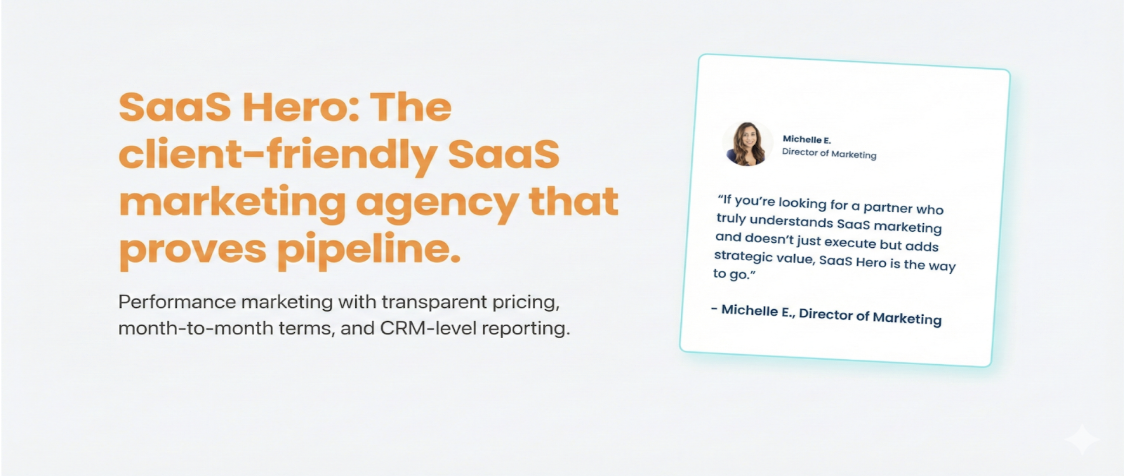
We report on Net New ARR instead of surface-level metrics. Our TripMaster case study shows verified revenue growth from strategic inbound campaigns. Unlike traditional agencies that lock clients into long contracts, we re-earn your business every 30 days.

Book a discovery call to discuss your field service software growth objectives and gaps.
Common Pitfalls and Practical Fixes
Field service teams often stall inbound growth because of a few repeatable mistakes.
- Vanity Metrics Focus: Track revenue metrics such as pipeline and ARR instead of clicks and impressions.
- Generic Targeting: Define specific ideal customer profiles for each field service segment you serve.
- Impatient Expectations: Remember the timeline discussed earlier and avoid shutting down campaigns before the 6-9 month window.
- Channel Spreading: Master one or two core strategies before adding more channels to the mix.
Before rolling out new campaigns, assess your current foundation with three diagnostic questions. Is your CAC above $200? Are you measuring pipeline value by channel? Do you have documented buyer personas? These indicators show whether you can scale inbound now or need to fix tracking and targeting first.
Frequently Asked Questions
What are inbound marketing services for field service companies?
Inbound marketing services for field service companies cover content creation, local SEO, lead nurturing, and conversion tracking tailored to your model. These services attract prospects with educational content, improve local search visibility, and convert visitors into qualified leads through structured touchpoints.
What are effective inbound marketing examples for field service businesses?
Effective examples include HVAC maintenance guides that target seasonal keywords and plumbing emergency checklists that capture urgent searches. Landscaping care calendars keep customers engaged year-round. Video testimonials that show before-and-after transformations and local SEO that targets specific service areas also drive strong results.
What ROI can field service companies expect from inbound marketing?
Field service companies usually achieve payback within the first year when inbound strategies run consistently. Local SEO supports the visibility gains mentioned earlier, while content marketing produces more leads at lower cost than most outbound methods. Over time, compounding content assets often push ROI above 700%.
How does local SEO specifically benefit field service businesses?
Local SEO captures high-intent prospects who search for immediate solutions in specific geographic areas. Given that the vast majority of mobile local searches convert to offline purchases, local optimization becomes crucial for field services. Google Business Profile optimization, location-specific landing pages, and review management create durable advantages in local markets.
How long does inbound marketing take to generate results for field service companies?
Inbound marketing campaigns usually need 6-9 months before they show clear return on investment. Local SEO often moves faster and produces results within 30-90 days, while content marketing and organic search require longer investment but deliver sustainable, scalable growth.
Conclusion and Next Steps for Field Service Growth
Inbound marketing transforms field service growth by lowering acquisition costs while increasing the volume and quality of leads. The eight strategies in this guide, from content creation to AI-powered personalization, give you a practical framework for sustainable revenue.
SaaSHero’s methodology has delivered measurable results across field service verticals. Our flat-fee, month-to-month model aligns our success with your revenue growth. Book a discovery call today to plan your next stage of inbound marketing growth.