




Last updated: March 30, 2026
Key Takeaways for Developer-Focused SaaS Growth
- Prioritize developer experience, strong documentation, and friction-free trials to reach activation rates above 40% and cut CAC by 20–50%.
- Engage authentically on Reddit and GitHub with technical value and community support, not promos, to build trust and avoid bans.
- Follow a 12-step framework that includes freemium models, integrations, influencer partners, conquest campaigns, and revenue tracking to grow ARR predictably.
- Align with 2026 trends like AI integrations and usage-based pricing while watching CAC <$200, LTV:CAC >3x, and time-to-value under 5 minutes.
- Use revenue-first strategies that have produced $504k in Net New ARR for tools like TripMaster. Connect with our devtools marketing specialists to scale ARR with developer audiences.
How SaaS Product Marketing Works for Developers
Product marketing for developers relies on self-serve evaluation, technical depth, and credible proof instead of classic sales-heavy funnels. Because developers test products hands-on, your stack must support discovery, trial, and adoption without constant sales intervention. Essential platforms include GitHub for code repositories, Reddit for community engagement, Productboard for feature prioritization, Google Analytics for conversion tracking, and HubSpot for lead nurturing, each covering a different stage of that journey.
The 5 Ps framework for developer marketing includes Product with API-first architecture, Price with usage-based models, Place through GitHub Marketplace and developer communities, Promotion through technical content and documentation, and People through developer relations instead of traditional sales teams. In the past year, 41% of SaaS tools have added formal AI monetization, such as AI-redefined plans, usage-based AI credits, or outcome-based pricing.
Most teams see initial ROI from developer marketing within 4–6 weeks when they focus on activation and trial quality. The main risk comes from community backlash when content feels spammy or sales-driven. As of March 2026, AI agents and automation tools dominate developer discussions, creating new opportunities for SaaS products that plug directly into existing workflows. To capture that demand while avoiding common missteps, use a structured framework that puts revenue and developer trust first.
Developer Marketing Strategies: A 12-Step Revenue Framework
The 12-step developer marketing framework focuses on revenue-first tactics, organized into three phases. First, establish your foundation with step 1 Nail developer experience, step 2 Build killer documentation, and step 3 Implement freemium and trials. Next, drive discovery and engagement with step 4 Engage Reddit and GitHub communities, step 5 Create technical content, step 6 Build strategic integrations, step 7 Partner with developer influencers, and step 8 Execute competitor conquest campaigns. Finally, optimize and scale with step 9 Track revenue metrics, step 10 Optimize conversion pages, step 11 Nurture community relationships, and step 12 Scale with specialized agencies.
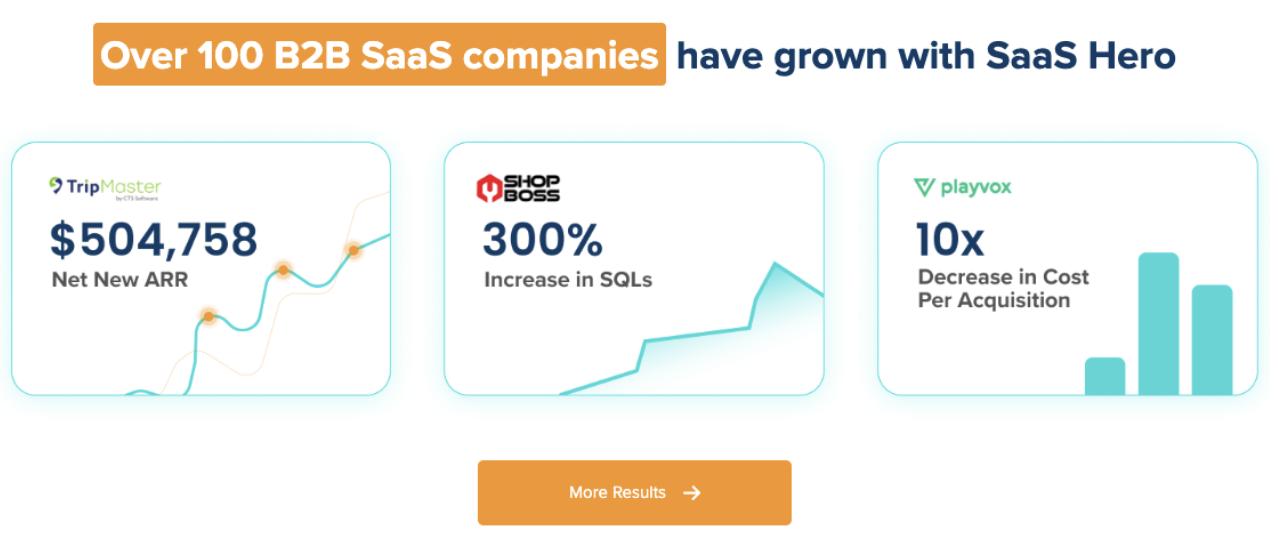
SaaSHero has generated $504k in Net New ARR for TripMaster (Transit Software) using this revenue-first approach. Each tactic builds on the previous one and compounds over time, which reduces CAC while improving trial-to-paid conversion rates. The sections that follow walk through each phase of the developer journey, from first touch to activation, retention, and long-term expansion.

Step 1: Nail Developer Experience (DX)
Design Developer Experience for Fast Time-to-Value
Developer experience determines whether trials succeed or stall. B2B SaaS customers not experiencing value within the first 14 days post-signup are 3x more likely to churn within the first 90 days. Aim for an API-first design that delivers a clear win in under 5 minutes.
Create a quickstart guide with working code snippets that developers can copy, paste, and run. Example API call structure:
curl -X POST https://api.yourproduct.com/v1/data
 -H "Authorization: Bearer YOUR_API_KEY"
 -H "Content-Type: application/json"
 -d '{"action": "create", "data": {"name": "test"}}'
Documentation should cover error handling, rate limits, and authentication with concrete examples. SaaSHero’s conversion rate optimization audits often uncover documentation gaps that block adoption before trials even begin.
Step 2: Build Killer Documentation
High-quality documentation acts as your silent sales engineer for developers. Structure docs around real workflows, not just API endpoints, so developers can move from “Hello World” to production use quickly. Include language-specific examples, troubleshooting guides, and clear upgrade paths for advanced features.
Keep navigation simple, add search that actually works, and maintain a visible changelog. Treat docs as a living product surface that receives regular updates based on support tickets and community questions.
Step 3: Implement Freemium and Trial Programs
Friction-free trials and freemium tiers drive activation rates above 40% when paired with strong DX. Directive Consulting defines activation rate as activated users divided by new signups and targets 60%+ overall, with 50%+ for self-serve. Remove credit card requirements for initial trials and provide sandbox environments so developers can test safely.
Checklist for developer-friendly trials:
- No credit card required
- Sandbox environment with sample data
- API access from day one
- Clear usage limits and upgrade paths
- Automated onboarding emails with code examples
Once this foundation is in place, you need a steady stream of new developers entering these trials. Community-driven discovery becomes the next growth lever.
Step 4: Market SaaS Products to Developers on Reddit
Reddit works as a high-intent discovery channel when you participate as a peer, not a promoter. Share open-source contributions, answer technical questions, and provide value consistently before you mention your product. Focus on subreddits like r/programming, r/webdev, and niche communities that match your stack or use cases.
Avoid direct product pitches in threads. Share case studies, technical tutorials, and lessons learned that stand alone as useful content. Build reputation through helpful contributions over time. Use GitHub stars and related automation tools to track community engagement and identify influential developers for deeper relationship building.
Step 5: Create Technical Content Developers Actually Use
Developers rely on technical tutorials, architectural deep dives, and problem-solving content when they evaluate tools. Publish blog posts that address specific development challenges your product solves in real workflows. Focus on 2026 themes like AI agent integration, microservices architecture, and API security to stay relevant.
Content types that convert developers:
- Step-by-step integration tutorials
- Performance benchmarking studies
- Architecture comparison guides
- Open-source tool reviews
- API design best practices
While content attracts developers into your orbit, strategic integrations keep them engaged by embedding your product into their daily tools.
Step 6: Build Strategic Integrations
Strategic integrations turn your product into part of a developer’s workflow instead of a separate destination. Integrate with popular tools like GitLab, Vercel, and GitHub, then list your product on their marketplaces where developers actively search for solutions. These integrations create additional distribution channels and often reduce customer acquisition costs.
SaaSHero’s competitor-focused campaigns have delivered 650% ROI for B2B SaaS clients like TripMaster by targeting high-intent competitor searches. See how we have executed 650% ROI campaigns for companies like yours and connect integrations, content, and paid acquisition into one system.
Step 7: Partner with Developer Influencers
Developer influencer programs work best when they center on genuine usage, not sponsorship alone. Collaborate with developer relations professionals and respected engineers who already shape opinions in your category. Authentic endorsements from practitioners carry far more weight than generic paid posts.
Identify potential partners through GitHub contributions, conference talks, and technical blogs. Offer early access to features, deep technical sessions, or co-created content instead of only cash payments. This approach keeps credibility high with skeptical developer audiences.
Step 8: Execute Competitor Conquest Campaigns
Competitor conquest campaigns capture developers who already show intent by searching for alternatives, pricing, or comparisons. Create dedicated landing pages that compare your solution to named competitors using factual feature breakdowns and total cost of ownership calculations.
Example conquest targets include “Vercel pricing,” “GitLab alternatives,” and “Heroku vs [your product].” Start with pain points such as pricing transparency, feature gaps, or support quality, then show how your product addresses each issue. Connect these campaigns to trials so interested developers can test your claims immediately.
Step 9: Track Revenue Metrics with a Developer SaaS Dashboard
Revenue-focused dashboards keep teams aligned on outcomes that matter. Monitor CAC below $200, LTV:CAC above 3x, and trial-to-paid conversion rates across cohorts. Proven SaaS’s 2026 benchmarks for Developer Tools SaaS estimate a median CAC payback of 9.4 months with estimated CAC of $248 per customer and ARPU of $29 per month. Use the following dashboard as a reference to compare your numbers against industry targets and flag metrics that need immediate work.
| Metric | Target | Tool |
|---|---|---|
| CAC Payback | <12 months | HubSpot |
| Trial Activation | >40% (as discussed in freemium strategy) | Mixpanel |
| Time to Value | <5 minutes | Product Analytics |
| LTV:CAC Ratio | >3:1 | CRM Integration |
Step 10: Optimize Developer Conversion Landing Pages
Developer-focused landing pages must prove technical credibility fast while explaining business value clearly. Use heuristic analysis to spot friction before you run A/B tests, then refine copy, layout, and proof points. Ensure pages load quickly and work flawlessly on mobile devices.
Key elements include prominent links to API documentation, code examples above the fold, integration logos, and visible security certifications. Remove unnecessary form fields and give immediate access to technical resources so developers can evaluate without waiting.

Step 11: Nurture Community Relationships
Ongoing community engagement turns one-time users into long-term advocates. Maintain an active presence in developer Slack workspaces and Discord servers where your audience already spends time. Provide support, gather feedback, and close the loop when you ship features based on community input.
Lead with value in every interaction. Share relevant resources, answer questions, and highlight community wins. Keep promotional messages rare and context-aware so trust continues to grow over time.
Step 12: Scale with Specialized Developer Marketing Agencies
Specialized agencies accelerate results once your core motion works. Partner with teams that understand developer psychology, technical content, and community dynamics. SaaSHero’s flat-fee, month-to-month model removes long-term contract risk while delivering proven outcomes. The TripMaster results mentioned earlier show what focused execution can achieve, while Playvox achieved a 10x decrease in cost per lead through similar specialization.
Evaluate agencies on their technical fluency, case studies with devtools or infrastructure products, and their ability to tie campaigns directly to Net New ARR. Avoid generalist agencies that treat developer marketing like standard B2B lead generation.
Validating Your Developer Marketing System
Validation confirms whether your 12-step framework works as a cohesive system, not just as isolated tactics. Track trial signups, activation rates above 40%, time-to-value under 5 minutes, CAC below $200, LTV:CAC above 3x, and Net New ARR growth. Use Mixpanel for product analytics and HubSpot for CRM tracking so you can connect campaigns to revenue.
Shift attention away from vanity metrics like impressions and raw clicks. Focus instead on SQL volume, trial quality, and revenue attribution. Many B2B SaaS marketers experience CAC payback periods stretching past 18 months when chasing vanity metrics like MQLs and demo bookings.
Pitfall identification starts with a clear distinction between marketing qualified leads and sales qualified leads, because optimizing for MQL volume often inflates lead counts while hurting revenue impact. Optimize for revenue by running regular cohort analysis that reveals true customer lifetime value and shows which acquisition channels bring in users who convert and retain.
SaaS Marketing Pitfalls Developers Hate
Developers quickly abandon tools that feel overhyped, hard to access, or locked behind sales gates. Avoid buzzword-heavy messaging, long contact forms, and the absence of self-serve options. Standalone AI tools that only generate outputs without connecting to other systems fail because developers try them once and abandon them.
Key 2026 trends include AI-powered developer relations automation and GitHub stars as visible social proof. Developers now expect instant access to technical resources and transparent pricing without negotiation. SaaSHero’s month-to-month contracts match these expectations by removing long-term commitment fears that many agencies still create.
Get a free developer marketing audit to uncover hidden friction, messaging gaps, and wasted spend before they slow your ARR growth.
Summary & Next Steps for Developer-Focused SaaS
The 12-step developer marketing checklist gives you a practical roadmap for turning skeptical developers into paying customers. Start with a developer experience and documentation audit, then roll out the first tactic while tracking activation and trial quality. Scale the tactics that move revenue and retire those that only inflate top-of-funnel numbers.
SaaSHero has helped B2B SaaS companies like TestGorilla raise $70M+ in funding with acquisition strategies tied directly to Net New ARR. Our revenue-first approach keeps attention on pipeline and closed-won deals instead of vanity metrics. Ready for ARR growth with developer audiences? Start your risk-free first month and see results within 4–6 weeks.
Frequently Asked Questions
How long does it take to see results from developer marketing?
Most companies see initial results within 4–6 weeks of implementing the developer marketing framework. Early signals include more trial signups, higher engagement with documentation, and growing community participation. Revenue impact usually becomes measurable within 8–12 weeks as trials convert to paid subscriptions. Focus on activation and time-to-value first, then expand reach once those numbers look healthy.
What roles are needed to execute developer marketing effectively?
Effective developer marketing requires a founder or technical leader who understands the audience, plus a developer relations professional for community work. Many teams start with the founder owning strategy while a specialized agency handles execution. As programs scale, dedicated roles often include technical content creators, community managers, and product marketers with hands-on developer experience.
Can small SaaS companies compete with enterprise solutions in developer marketing?
Smaller SaaS companies can compete effectively by moving faster and staying closer to real developer problems. Faster iteration, direct founder involvement, and authentic community engagement often beat large but slow enterprise teams. Focus on freemium access, excellent documentation, and solving narrow, painful use cases that big platforms overlook.
How do you measure ROI from community engagement and content marketing?
Measure ROI by tying community and content touchpoints to trials and revenue. Use UTM parameters on links, track referral traffic from community platforms, and ask new customers how they discovered your product. Over time, watch for community-driven feature requests, user-generated content, and organic referrals as leading indicators of durable growth.
What are the biggest risks in developer marketing and how can agencies help mitigate them?
Major risks include community backlash from aggressive promotion, credibility damage from weak documentation, and wasted budget on vanity metrics. Specialized agencies like SaaSHero reduce these risks through tested playbooks, technical expertise, and revenue-focused reporting. Month-to-month contracts also allow quick strategy changes without long-term lock-in.