




Key Takeaways
- Install Facebook Pixel and CAPI together to recover about 15% of lost attribution and track server-side events despite privacy rules.
- Define B2B events like Lead, SQL, and Closed-Won, then connect a CRM such as HubSpot for full-funnel revenue attribution.
- Use 90-day attribution windows and SaaS metrics like 3:1 ROAS and 80-day payback to measure real Facebook ad ROI.
- Use tools such as Cometly or native Meta integrations for multi-touch ARR tracking and revenue-focused decisions.
- To pursue results similar to 650% ROI, book a discovery call with SaaSHero for expert setup and management.
What You Need Before You Track Facebook ROI
Set up Facebook Business Manager, a CRM like HubSpot or Salesforce, Google Analytics 4, and either developer support or Zapier for CAPI. Focus on Customer Acquisition Cost, which equals ad spend divided by Sales Qualified Leads, and track Lifetime Value with a target 3-5x LTV to CAC ratio. Aim for an 80-day or shorter payback period so Facebook spend supports sustainable growth.
Plan for 1-2 weeks to complete the tracking setup and at least 90 days to gather meaningful data. Current SaaS benchmarks show Facebook CTR averaging 1.43%, while iOS privacy changes and disconnected systems create major attribution gaps between ad platforms and CRMs.
Seven-Step Framework for Facebook ROI Tracking
This framework follows seven steps that connect Facebook clicks to closed ARR in your CRM.
1. Install Facebook Pixel and CAPI (2026 updates)
2. Define B2B events for Lead, SQL, and Closed-Won
3. Integrate your CRM for revenue attribution
4. Configure 90-day attribution windows
5. Calculate ROI with SaaS-specific formulas
6. Add third-party attribution tools when needed
7. Optimize campaigns based on revenue data
This approach gives you clear revenue proof for budget decisions and ongoing campaign improvements.

Step 1: Install Facebook Pixel and CAPI for 2026
Go to Facebook Events Manager and install the base Pixel code on every page of your website. With Graph API v24.0 required by January 6, 2026, confirm that your implementation follows the latest Meta guidelines.
Set up Conversions API alongside the Pixel so you capture server-side events that browsers miss. CAPI often recovers about 15% of lost attribution signal and connects CRM data for offline conversions such as closed deals. Use Zapier for a no-code CAPI setup or ask your developers to build a custom integration.
Test all events in Events Manager and confirm that they fire correctly. Track the standard Lead event for form submissions, then add custom events for SQL qualification and Closed-Won revenue.
Step 2: Define Events for the B2B SaaS Funnel
Map your sales funnel to custom offline events that Facebook can understand. Use Lead for form submissions, a custom SQL event for sales-qualified opportunities, and the Purchase event for Closed-Won deals with real revenue values.
Add event parameters such as deal size, product type, and customer segment. This detail lets you focus on high-value customers instead of raw lead counts. Review event quality in Events Manager and confirm that all parameters pass correctly.
Step 3: Connect Facebook to Your CRM
Send Facebook click IDs such as FBCLID into your CRM so you can link closed deals back to ad interactions. Use native integrations when available or tools like Cometly for deeper revenue tracking across campaigns and ad sets.
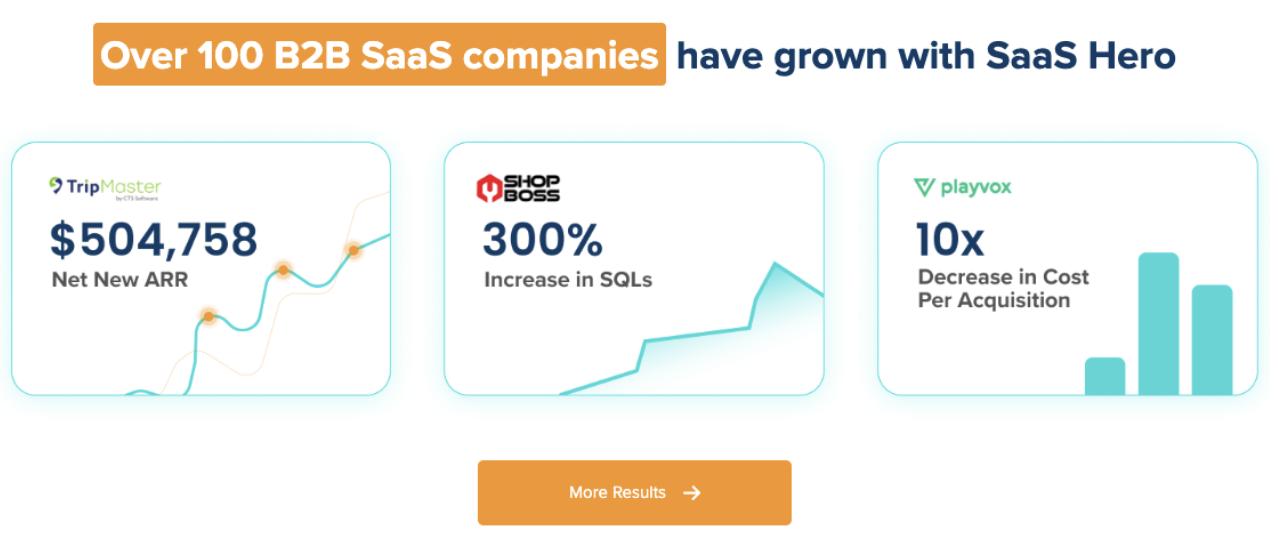
Configure your CRM to send conversion events back to Facebook through CAPI when deals close. This feedback loop trains Facebook to optimize for revenue and SQLs instead of only top-of-funnel leads. Our TripMaster client used this approach and reached 650% ROI with precise attribution.

Step 4: Use 90-Day Attribution for B2B Cycles
Adjust Facebook attribution windows so they match longer B2B SaaS buying journeys. Set at least 7-day view and 30-day click windows to capture delayed decisions from buying committees.
Adopt data-driven or time-decay attribution instead of last-click reporting. Combine UTM parameters, call tracking, and CRM data to build multi-touch attribution that reveals how top-of-funnel Facebook campaigns influence pipeline creation.
Step 5: Calculate Facebook ROI with SaaS Metrics
Primary formula: ROAS = Revenue / Ad Spend
SaaS formula: Net New ARR / Customer Acquisition Cost
Target at least 3:1 ROAS and aim for 80-day payback periods, based on 2026 B2B benchmarks that show Facebook Ads averaging 87% ROI. Calculate Customer Lifetime Value and keep a 3-5x LTV to CAC ratio so growth remains profitable.
Track both direct conversions and assisted conversions to understand Facebook’s full role in your pipeline. Our TestGorilla case study showed that accurate attribution uncovered an 80-day payback period, which supported their $70M Series A story.
Step 6: Choose a Facebook Attribution Tool Stack
|
Tool |
Pros |
Cons |
Best For |
|
Cometly |
CRM revenue tie-in, real-time ROI |
$100+/month cost |
B2B attribution |
|
Wicked Reports |
Multi-touch ARR tracking |
Complex setup process |
Long sales cycles |
|
Native Meta |
Free, direct integration |
Limited CRM depth |
Basic tracking needs |
|
HubSpot Native |
Seamless CRM integration |
Limited to certain integrations |
Existing HubSpot users |
Select tools that match your team’s technical skills and the complexity of your attribution needs. SaaSHero often builds custom Looker Studio dashboards that connect with HubSpot for unified revenue reporting across every marketing channel.
Step 7: Optimize Facebook Campaigns for Revenue
Shift bidding strategies from clicks and cheap leads to SQLs and Closed-Won revenue. Add negative keywords to cut unqualified traffic and run A/B tests on landing pages to improve conversion rates at each stage.
Address “signals but no conversions” by optimizing for SQL events instead of only top-of-funnel actions. Refresh creative assets two to four times per month to reduce fatigue and keep performance stable. If the setup feels heavy, SaaSHero’s $1,250 per month retainer covers full implementation and ongoing optimization.
How to Measure and Validate Your Tracking
Watch core metrics such as 3:1 or better ROAS, payback periods under 100 days, and at least 20% of SQLs attributed to Facebook. Review performance weekly in Looker Studio or a similar dashboard to spot trends and new optimization opportunities.
Validate your attribution by comparing CRM Closed-Won data with Facebook reports. Look for a clear relationship between higher Facebook spend and pipeline growth while accounting for the normal lag in B2B sales cycles.
Advanced Attribution for Growing B2B SaaS Teams
Use W-shaped or custom attribution models when multiple stakeholders influence deals. W-shaped models assign 30% credit to first touch, 30% to lead creation, and 30% to final conversion, which suits B2B SaaS funnels with clear MQL and SQL stages.
Run incrementality tests to measure true lift from Facebook compared with organic or baseline growth. Scale winning campaigns into channels like LinkedIn conquesting while keeping consistent attribution rules. For full support, consider SaaSHero’s team retainer from $3,000 per month and book a discovery call to plan advanced attribution.
Summary and Practical Next Steps
Effective Facebook ROI tracking for B2B SaaS depends on Pixel and CAPI, CRM integration, longer attribution windows, and revenue-based optimization. This system turns Facebook from a simple lead source into a measurable driver of Net New ARR.
Audit your current tracking against this framework and list the gaps that block accurate attribution. Then book a discovery call with SaaSHero to build tracking that connects every Facebook dollar to real pipeline and ARR.
Frequently Asked Questions
What is a good ROI for B2B SaaS Facebook ads?
Aim for at least 3:1 ROAS with payback periods around 80 days for B2B SaaS Facebook campaigns. Industry data shows Facebook Ads averaging 87% ROI for B2B companies, while top performers reach 300% to 650% ROI with accurate attribution and focused optimization. Prioritize Net New ARR over raw lead volume so your growth metrics stay healthy.
How do you calculate ROI for Facebook ads in B2B SaaS?
Calculate ROAS with Revenue divided by Ad Spend. For SaaS, track Net New ARR divided by Customer Acquisition Cost and maintain a 3-5x LTV to CAC ratio. Include both direct and assisted conversions through CRM integration so you capture Facebook’s full influence on pipeline and Closed-Won revenue.
How long does Facebook ad ROI tracking setup take?
Plan 1-2 weeks for full setup, including Pixel and CAPI, CRM connections, and attribution configuration. Allow at least 90 days for meaningful data collection because B2B sales cycles often stretch across several months. Expect complexity to vary based on your current tech stack and chosen attribution tools.
Why am I getting Facebook ad signals but no conversions?
Common causes include short attribution windows, missing CAPI, and optimization for clicks instead of qualified actions. Use 7-day view and 30-day click attribution windows, connect CRM data through CAPI, and shift bidding toward SQL generation. These changes usually close the gap between early engagement signals and recorded conversions.
What is the best attribution model for small B2B SaaS companies?
Start with Zapier-based integrations for a low-cost and simple setup, then move to dedicated attribution tools as spend grows. Use time-decay or W-shaped models to reflect multi-touch journeys more accurately than last-click reports. Revisit your attribution model every quarter as your sales cycle and marketing mix evolve, and consider partnering with SaaSHero for ARR tracking from $1,250 per month with flexible terms.